The best small living room renovation ideas start with the parts you cannot fix with a throw pillow: the floor, wall condition, lighting, airflow, and walking path. I have managed enough living room projects in San Antonio to know that a 12-by-14 room can feel comfortable, while a larger room can feel like a furniture warehouse. The difference is planning the work in the right order.
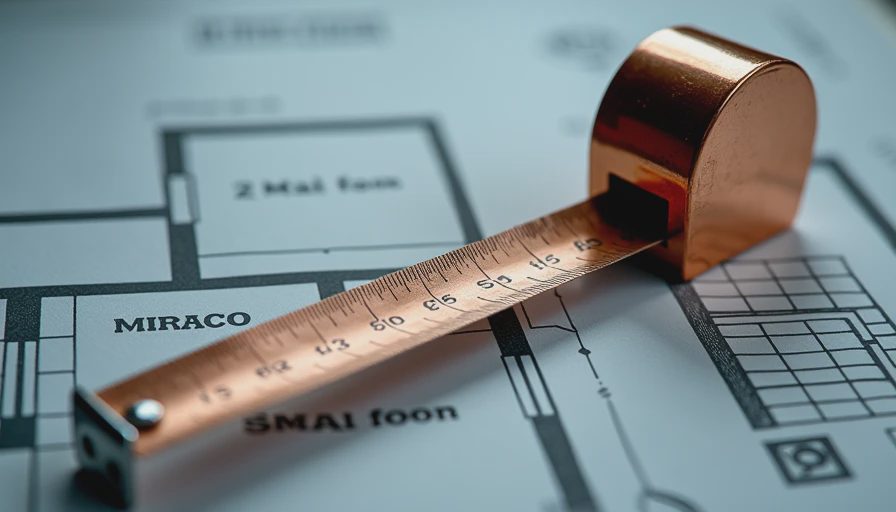
Before you buy paint, measure every wall, door swing, window, outlet, vent, and radiator or air return. Draw the room on graph paper, including the trim. A three-inch mistake can turn a promising sofa order into a delivery problem. I once watched a homeowner order a deep sectional that technically fit the room but could not make the turn through the front door. The return shipping cost more than the original delivery.
Start With the Floor and Walls
Pull up loose carpet corners and inspect the subfloor before choosing a finished floor. Soft spots, squeaks, and dark staining need attention first. In many older houses, a repair might mean replacing a section of plywood and adding screws to joists. That is a better use of $300 to $900 than covering movement with expensive flooring.
For a busy household, click-lock luxury vinyl plank is practical because it handles spills and installs faster than site-finished hardwood. Good products often run about $3 to $7 per square foot for material, with installation adding roughly $2 to $5. Engineered wood costs more, but it can be the right call when you want a warmer surface and the subfloor is stable. Do not install either over a damp or uneven base.
Walls deserve the same inspection. Shine a work light across the drywall. If you see waves, nail pops, or patched holes, a quick coat of paint will make them easier to notice, not hide them. Budget $600 to $1,500 for professional patching and repainting in a small room, depending on height, trim, and repair work. A straight wall with a clean baseboard makes inexpensive furniture look far better.
Use the Layout to Make the Room Work
One of the most useful small living room renovation ideas is removing furniture that blocks the route through the room. Keep at least 30 to 36 inches for the main walking path when possible. Do not force people to squeeze between a coffee table and the sofa every time they enter the kitchen.
Start with the largest item. A standard sofa is often 84 inches wide, while many compact apartment sofas measure 68 to 76 inches. That difference matters. A sofa with a 40-inch depth can eat up the room quickly, especially when paired with a recliner. Measure from the back wall to the front edge, then add space for knees and walking. A 34-to-36-inch-deep sofa is usually easier to live with in a tight room.
If the room serves as both a television area and a front entry, use a loveseat, apartment sofa, or two chairs instead of a large sectional. Chairs can be shifted when guests arrive. A sectional usually cannot. Keep the TV away from direct afternoon glare, and mount it at a height that does not force everyone to tilt their head. For many rooms, the screen center ends up roughly 42 to 48 inches from the floor, but viewing distance and seating height control the final number.
Spend Your Lighting Budget Carefully
Poor lighting makes a small room feel crowded. One ceiling fixture in the center is not a lighting plan; it is a bright spot surrounded by shadows. Small living room renovation ideas should include at least three useful layers: general light, task light, and softer light for evening.
If the ceiling is open during renovation, add recessed lights or a low-profile surface fixture where people actually sit and walk. Four-inch LED fixtures with a color temperature around 2700K to 3000K are comfortable for living spaces. Avoid placing a downlight directly over the television, where it can reflect on the screen. Add a floor lamp beside a chair and a table lamp near the sofa if outlets allow it.
The electrical portion might cost $500 to $1,500 for a modest update, more if the panel or wiring needs work. Put outlets at both ends of the sofa and include one behind the TV. Those outlets prevent extension cords from becoming permanent floor hazards. If you are opening walls, run conduit or spare cable for future television changes. It is cheap while drywall is down and annoying afterward.

Build Storage Into Dead Space
Storage is where small living room renovation ideas either become useful or turn into decoration. A shallow cabinet on a blank wall can hold game controllers, blankets, books, and charging cords without taking the room's center. Aim for cabinets no deeper than 12 to 16 inches unless you have a specific reason to go deeper.
A built-in can cost $2,000 to $6,000 when it includes finished panels, doors, paint, and installation. That is not always necessary. Stock cabinets from a home center, trimmed with plywood and baseboard, can produce a solid result for less. Anchor tall units to the wall, especially in a home with children. Open shelving looks simple, but it collects dust and forces you to keep everything on display.
Use the area under a window carefully. A low bench with drawers can provide seating and storage, but do not cover a heating register or air return. Blocking airflow can make the room uncomfortable and put extra strain on the system. I inspect vents before approving built-ins because furniture plans often ignore what the mechanical system needs.
Choose Finishes That Survive Real Use
Paint is usually the least expensive major change, but sheen matters. A washable eggshell finish is a sensible choice for most walls. Flat paint hides minor defects better, but it marks more easily. Satin is useful on trim and doors because it handles fingerprints and cleaning. For a small room, one consistent wall color can make the space feel less chopped up, especially when the hallway is visible from the sofa.
Rugs need to be large enough that at least the front legs of the sofa and chairs sit on them. A tiny rug floating in the middle makes the furniture look disconnected. Measure before ordering. Wool lasts well but costs more; polyester and polypropylene are easier on a moderate budget and handle family spills. Avoid placing a rug over a door swing or directly across a floor register.
Window coverings also affect comfort. Install brackets securely into studs or proper anchors, and use lined shades where afternoon sun heats the room. In San Antonio, direct western sun can fade flooring and make a sofa uncomfortable before dinner. Curtains that barely cover the glass do not solve that problem; they need enough width and length to block light at the edges.
A Practical Order of Operations
The safest sequence is demolition, structural and subfloor repairs, electrical and lighting, HVAC adjustments, drywall, paint, flooring, trim, then furniture. Flooring sometimes goes before trim and sometimes after, depending on the product and installer. Follow the manufacturer's requirements rather than guessing.
Set aside 10 to 15 percent of the renovation budget for surprises. A small project can still uncover damaged subfloor, outdated wiring, or a wall that was hiding an old leak. For a straightforward San Antonio living room refresh, $4,000 to $8,000 can cover flooring, paint, lighting, modest electrical work, and trim when the homeowner handles some demolition. A more involved project with built-ins, new wiring, and premium flooring can reach $12,000 or more.
The most reliable small living room renovation ideas are not the flashiest ones. Fix the surface under your feet, create a clear path, put light where people sit, and choose furniture that fits through the door. Then buy the paint color and the accessories. That order saves money because you are not decorating around problems that should have been repaired first.


No comments yet — be the first to share a thought.