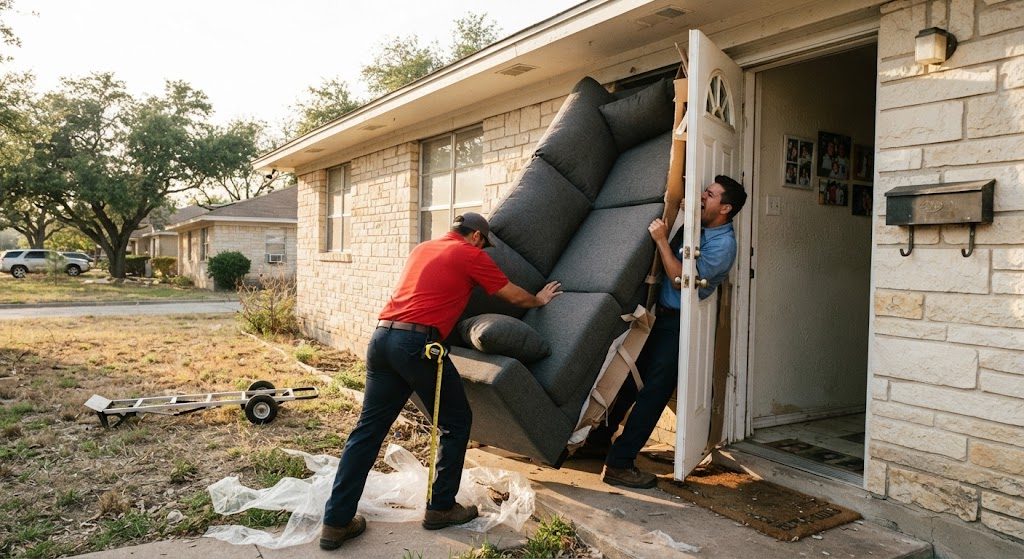
I've seen a $4,000 sectional sit on a front porch in the rain because it wouldn't fit through the door. I've seen a brand-new sofa with cushions that went flat in eight months. I've seen a beautiful white fabric sofa that looked like a crime scene after one toddler and a sippy cup of grape juice.
The sofa is the biggest single purchase you'll make for your living room. It's also the piece you'll use more than anything else — every evening, every weekend, every movie night, every nap. If you get it right, you don't think about it. If you get it wrong, you think about it every time you sit down. Here's how to make sure that doesn't happen, from a guy who's delivered, assembled, and occasionally cursed at more sofas than I can count.
The Dimension Nobody Checks: Will It Fit Through the Front Door?
Measure Every Opening Before You Order
I don't care how much you love that oversized sectional. If it doesn't fit through your front door, it's not your sofa — it's a very expensive porch decoration. Measure your front door width, then measure every hallway, stairwell turn, and interior doorway the sofa has to pass through. If it's a tight fit, take the legs off, take the cushions out, and pivot it vertically if the ceiling height allows.
I tell every client the same thing: measure the delivery path before you measure the room. The sofa that fits perfectly against your far wall doesn't matter if it's stuck in the hallway at a 45-degree angle with two delivery guys saying words I won't print here.
Seat Depth: The Number That Determines Comfort
Seat depth is the distance from the front edge of the cushion to the backrest. Shallow sofas — 21 to 22 inches — are good for formal sitting, bad for curling up and watching a movie. Deep sofas — 23 to 24 inches and up — are great for lounging but will make shorter family members feel like their feet are dangling off a dock.
If you're over six feet tall, a 21-inch seat depth will feel like a waiting-room chair. If you're five-foot-four, a 26-inch deep seat means you'll need four throw pillows behind your back just to sit up straight. Test the depth in person. Sit the way you actually sit at home — not the way you sit in a furniture showroom when a salesperson is watching.
Cushion Construction: What's Inside Determines What Happens in Year Two
Foam Density, Not Just Foam Thickness
Cheap sofas use low-density foam that feels plush in the showroom and collapses within a year. Look for high-resiliency foam with a density of 2.0 pounds per cubic foot or higher, or a spring-down combination — a core of wrapped coils surrounded by foam and topped with a down blend. That's what I have in my own sofa. Three years in, the cushions still hold their shape.
Back Cushions: Loose vs. Attached
Loose back cushions can be flipped and rotated to even out wear. Attached back cushions look cleaner but can't be adjusted. If you've got kids who treat the sofa like a gymnastics mat, loose cushions will end up on the floor constantly. Trade-offs.
Frame Material: The Part You Never See That Holds Everything Together
A good sofa frame is made of kiln-dried hardwood — maple, oak, ash. A cheap sofa frame is made of pine, particle board, or a mix of both, stapled together. You can't see the frame, but you'll feel it when the arm starts wobbling eighteen months in.
Ask the salesperson what the frame is made of. If they can't tell you or say "engineered wood," that's particle board. Walk away. A sofa that costs less than a thousand dollars new is cutting corners somewhere, and the frame is usually where those cuts live.
Fabric: What Survives Actual Families
Performance Fabrics Are Worth the Upgrade
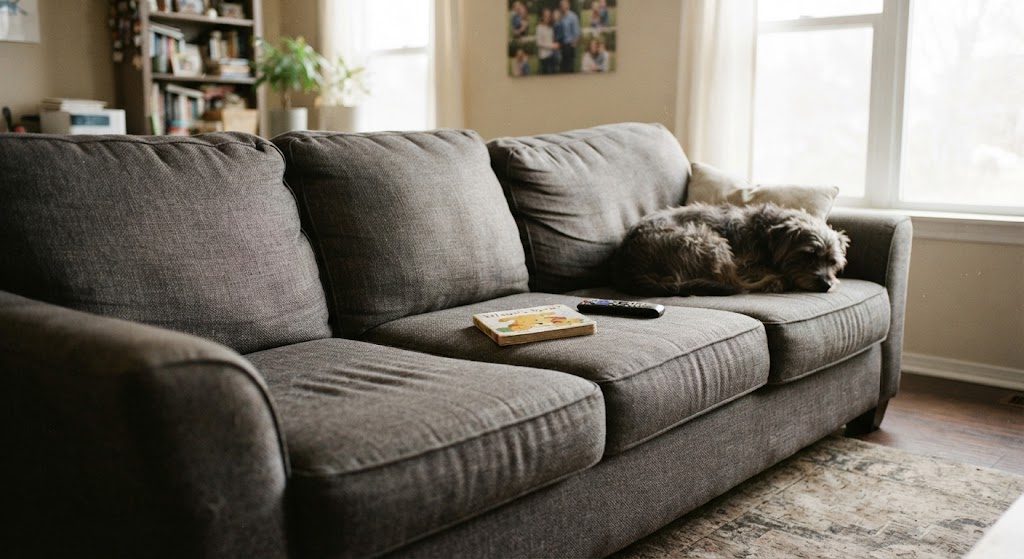
If you have kids, a dog, or a habit of eating nachos on the sofa, get a performance fabric. Solution-dyed acrylics and high-rub-count polyesters resist stains, clean with water, and don't fade. Brands like Sunbrella, Crypton, and Revolution are what I recommend. They cost more upfront and save you from owning a sofa that looks like a crime scene by year two.
Leather: Not All of It Is Durable
Full-grain and top-grain leathers age well and clean easily. Bonded leather — which is leather dust glued to a fabric backing — will peel like a bad sunburn within two years. I've seen bonded leather sofas that looked like shedding snakes. Don't buy it, no matter how good the price looks.
What I Bought for My Own Living Room
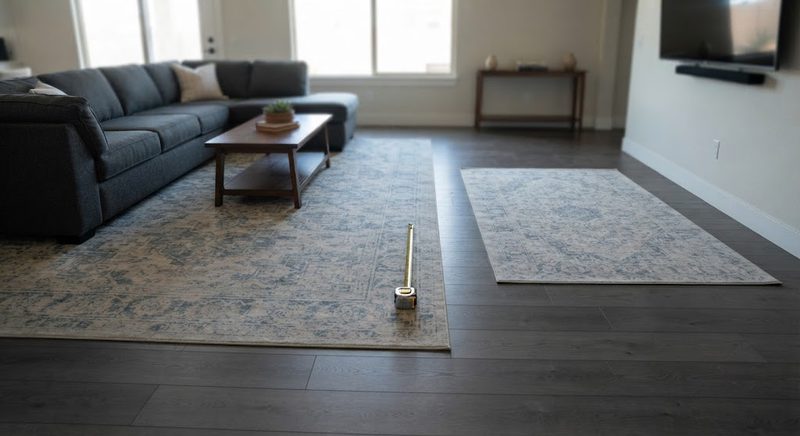
I landed on a 92-inch sofa with a 23-inch seat depth, high-resiliency foam cushions with a down wrap, a kiln-dried maple frame, and a charcoal performance fabric. It fit through my front door with three inches to spare. Total cost was around $2,200. Three years later, it looks and sits like the day it arrived.
Buy the right sofa once. It's cheaper than buying the wrong sofa twice.
No comments yet — be the first to share a thought.