Choosing the best paint for living room walls is less about finding a magic color and more about matching the coating to how the room actually gets used. A quiet formal room can handle a different product than a living room where kids drag toy trucks across the baseboards, dogs lean against the wall, and someone eats dinner in front of the television.
I have repainted enough San Antonio houses to know where homeowners waste money. They buy bargain paint, skip wall preparation, then blame the color when the finish looks uneven. Paint is not drywall repair in a bucket. It will not hide bad seams, nail pops, grease, or a wall that has been patched with the wrong compound. Start with the surface, then choose the product.
Start with the wall, not the paint chip
Run your hand over the wall with the lights on. If you can feel ridges, dents, or rough patches, they will show after painting, especially with satin or eggshell. Fill small holes with lightweight spackle, sand the repair flat, and wipe away dust. Larger drywall repairs need joint compound applied in thin coats, not one thick mound that shrinks and cracks.
Glossy existing paint should be dulled with a sanding sponge so the new coat can grip. Clean fingerprints and cooking film with a mild degreaser. In an older house, test suspicious layers before sanding; homes built before 1978 can contain lead-based paint, and disturbing it calls for proper testing and containment.
Use primer where it earns its keep. Fresh drywall, water stains, smoke odor, bare joint compound, and dramatic color changes all deserve primer. A quality bonding or stain-blocking primer can save a gallon of expensive finish paint. On a previously painted, clean wall in similar condition, full priming is often unnecessary.
Pick the right sheen for real life
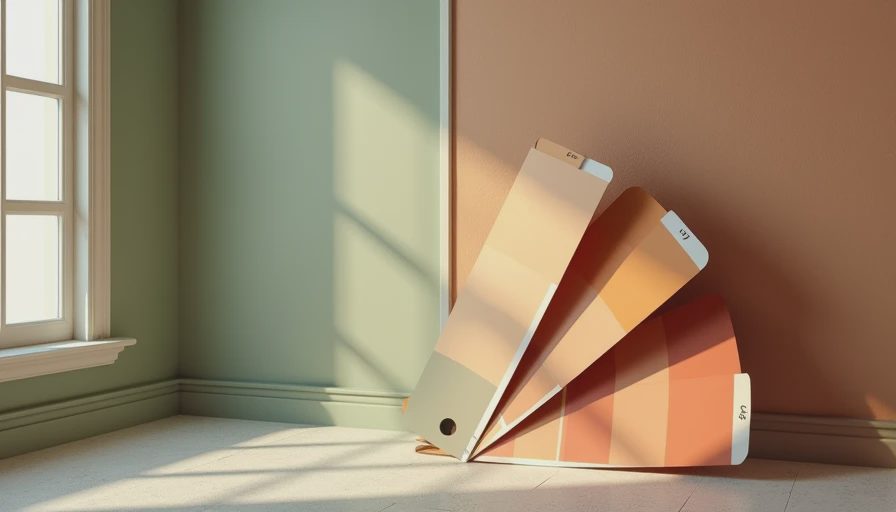
For most living rooms, eggshell is the safest answer. It has a low sheen that cleans more easily than flat paint without throwing every drywall flaw into the light. The best paint for living room walls is often an eggshell acrylic from a reputable line such as Benjamin Moore Regal Select, Sherwin-Williams Cashmere, or Behr Marquee. The exact winner depends on the wall condition and the color, but these product lines are built for normal residential wear.
Flat paint hides surface defects better, but it marks more easily and can burnish when you scrub it. I use flat finishes selectively, usually on ceilings or walls that are genuinely smooth and lightly used. Satin is tougher and easier to wipe, making it useful in a play-heavy room, but it reflects more light and exposes poor finishing. Semi-gloss belongs mainly on trim, doors, and sometimes wainscoting, not across ordinary living room walls.
Do not confuse washability with unlimited toughness. Even a scrubbable finish can lose its uniform sheen if you attack one small spot repeatedly with a wet sponge. Clean from one corner or repaint the entire wall when a repair becomes obvious.
Color is a light problem first
The best paint for living room walls in a north-facing room may look completely different from the same formula in a bright west-facing room. North light tends to feel cooler. Strong afternoon sun can make warm beige look yellow and can fade or flatten darker colors over time. LED bulbs also change the result depending on their color temperature.
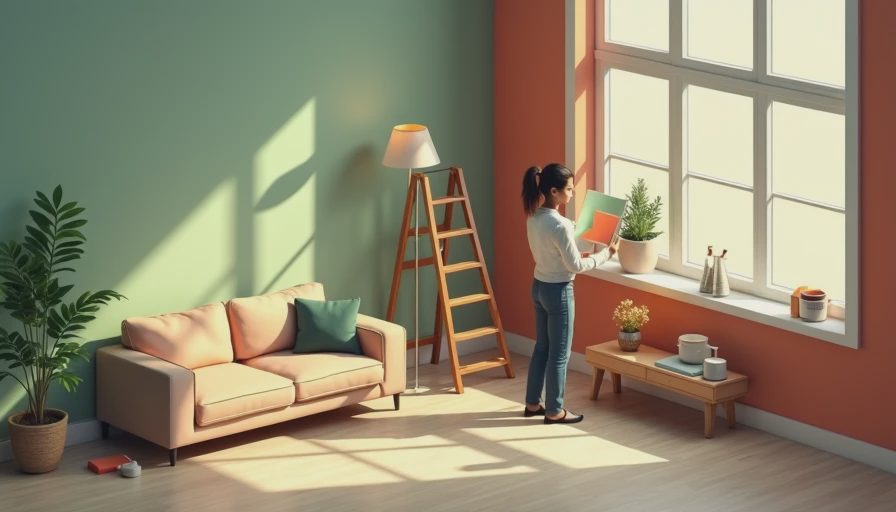
Paint large sample boards instead of brushing tiny squares directly onto the wall. Move those boards around the room during morning, afternoon, and evening. Keep them near the sofa, flooring, curtains, and largest piece of wood furniture. A color that looks clean beside a white store display can turn green beside a gray sectional or orange oak floor.
For a room that needs to feel brighter, warm off-white, pale greige, or a restrained sand color usually works better than stark blue-white. If the room already gets strong light, a deeper taupe, muted green, or dusty blue can work without making it feel like a cave. The point is not to chase a trend. The point is to select a color that survives the room's actual light.
What the paint can says matters less than the system
A gallon label might promise one-coat coverage, but that promise depends on the old color, the porosity of the wall, the application method, and the new color. One coat over a pale wall can look fine. One coat over red, dark blue, or fresh patching usually looks streaky. Budget for two finish coats when changing color or covering repairs.
A standard gallon often covers roughly 350 to 400 square feet per coat on a reasonably smooth wall, though rough texture and thirsty new drywall reduce coverage. Measure wall width times height, subtract large openings, then buy enough for the full job. An extra quart from a different mixing batch can be visibly different, so do not buy exactly the minimum for a large room.
For tools, use a quality three-eighths-inch nap roller on smooth drywall, a two-inch angled brush for cutting in, and a sturdy extension pole. Cheap roller covers shed fibers and leave lint in the finish. Keep a wet edge and avoid stopping halfway across a wall. The overlap marks you create while tired will still be there the next morning.
My practical picks by living room situation
The best paint for living room walls in a clean, low-traffic sitting room can be a good eggshell at a midrange price. You do not need the most expensive can in the store if the walls are smooth and the color is close to what is already there.
For children, pets, or frequent entertaining, choose a washable premium acrylic in eggshell or durable matte. Sherwin-Williams Duration Home, Benjamin Moore Scuff-X, and Behr Ultra are examples worth comparing in person. Their selling point is not magic coverage; it is a harder-wearing film and easier cleaning than basic builder-grade paint.
For a rental or tight renovation budget, a reliable midrange line is usually smarter than the cheapest five-gallon bucket. Saving $25 on paint is not a bargain if you need another coat, spend hours correcting lap marks, or repaint after six months. In San Antonio, a typical homeowner repainting a medium living room might spend $100 to $250 on paint and supplies when doing the labor, depending on prep and product. Hiring out the work can push the total several hundred dollars higher because wall repair and masking take time.
The job order that prevents a mess
Remove switch plates, furniture, and wall hardware before opening the can. Cover the floor with canvas, not thin plastic that slides under a ladder. Repair and sand first, then vacuum and wipe dust. Prime stains and patches, allow the primer to dry, and lightly sand rough specks. Cut in the edges, roll the broad wall, and keep your roller loaded enough to spread paint evenly.
Let the first coat dry according to the label before judging coverage. Do not use a fan pointed directly at a wet wall; rapid drying can create lap marks. After the final coat, wait before washing the surface or hanging heavy art. Keep a small amount of leftover paint labeled with the room, color, sheen, and date. That note can save a full repaint when a chair damages one section later.
The best paint for living room walls will not rescue rushed preparation. Spend money on the product where it improves cleanability, but spend time on sanding, dust removal, and even application. That is what separates a wall that still looks good after a year from one that looks tired before the furniture is back in place.
Before you buy, inspect the wall, check the room's daylight, choose eggshell unless you have a clear reason otherwise, and calculate two finish coats. Take your sample boards to the paint counter and compare real products instead of choosing from a tiny chip. That process is slower than grabbing the cheapest can, but it is considerably faster than doing the living room twice.

No comments yet — be the first to share a thought.