If you are standing in the paint aisle comparing flat vs eggshell paint, the label is not going to tell you what happens after six months of kids, furniture moves, dusty baseboards, and afternoon sunlight. I have rolled both finishes onto more living rooms than I can count. The right choice depends on your drywall, your traffic, your lighting, and how much scrubbing you expect to do.
My short answer is simple: flat paint hides more wall problems, while eggshell paint handles more abuse and wipes clean more easily. Neither finish is automatically better. One can make a rough wall look respectable; the other can save you from repainting every time a chair bumps the wall. Choose based on the room you actually have, not the room in a catalog.
What the finish actually changes
Paint sheen is the amount of light a dried coating reflects. Flat paint has very little sheen, so it absorbs light and disguises minor dents, sanding marks, patched nail holes, and uneven drywall paper. That is why builders often use flat paint on ceilings and why it can be forgiving in older San Antonio houses with walls that have been repaired several times.
Eggshell paint has a low, soft sheen. It reflects more light than flat paint, but it is nowhere near glossy. That extra resin and sheen usually gives the surface better resistance to fingerprints, scuffs, and light cleaning. In a well-prepared room, eggshell can look cleaner and hold up longer. On a poorly finished wall, the reflection can expose every bad joint and lazy patch.
That is the first practical lesson in flat vs eggshell paint: sheen does not fix bad preparation. It either hides the evidence or shines a flashlight on it.
Where flat paint earns its keep
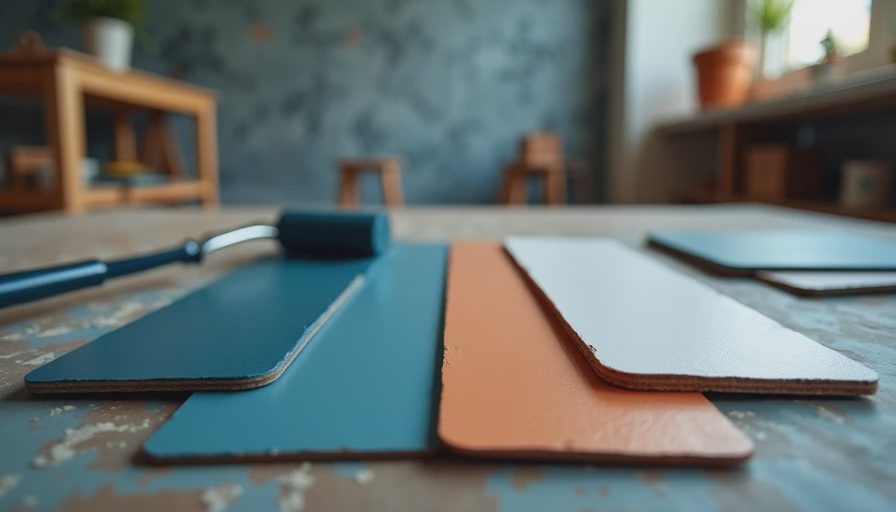
Flat paint is the safer choice for ceilings, low-traffic adult rooms, and walls with visible imperfections. I use it when the drywall finish is inconsistent and the homeowner does not want to spend another $800 to $1,500 on skim coating and sanding. A dead-flat surface can make an old wall look calm instead of patched together.
It also works well in rooms with strong daylight because it creates fewer bright reflections. If your living room faces west and gets harsh afternoon sun, eggshell can show roller marks and shallow waves that disappear in the morning. Flat paint keeps the surface visually quieter.
The tradeoff is cleaning. A cheap flat wall coating can burnish when you scrub it, leaving a shiny spot that looks worse than the original mark. “Washable flat” products from brands such as Benjamin Moore and Sherwin-Williams perform better than basic contractor paint, but washable does not mean indestructible. Blot stains with mild soap and water rather than attacking them with a rough sponge.
Where eggshell is the better working finish
Eggshell is my usual recommendation for a busy living room, especially when the space connects directly to a hallway, kitchen, or play area. It gives you a better chance of removing fingerprints, food smears, and the dark line left by a sofa without repainting the entire wall. That matters when a gallon of quality interior paint costs roughly $45 to $80, before labor and supplies.
Eggshell also makes sense for households with dogs, children, or furniture that gets rearranged often. A chair back rubbing against the wall can leave a gray stripe. With eggshell, you can usually clean that mark more successfully than with flat paint. The surface is not bulletproof, but it is less precious.
The catch is preparation. In flat vs eggshell paint comparisons, eggshell loses when the wall has visible waves, rough patches, or inconsistent texture. Light from a nearby window or wall sconce will reveal those defects. I have seen homeowners blame eggshell for a bad finish when the real problem was a drywall finisher who skipped a sanding pass.
How lighting and wall condition decide the result
Before buying paint, stand six feet from the wall at different times of day. Look at it in direct sunlight, under the room’s lamps, and with the overhead fixture on. A large window beside the wall is an unforgiving inspector. It sends light across the surface instead of straight at it, revealing ridges and shallow depressions.
For flat vs eggshell paint, wall condition should carry more weight than the sample card. If the wall is older, textured, or covered with several repair areas, flat may deliver the better-looking result for less work. If the drywall is smooth and the light is controlled, eggshell gives you more practical durability.
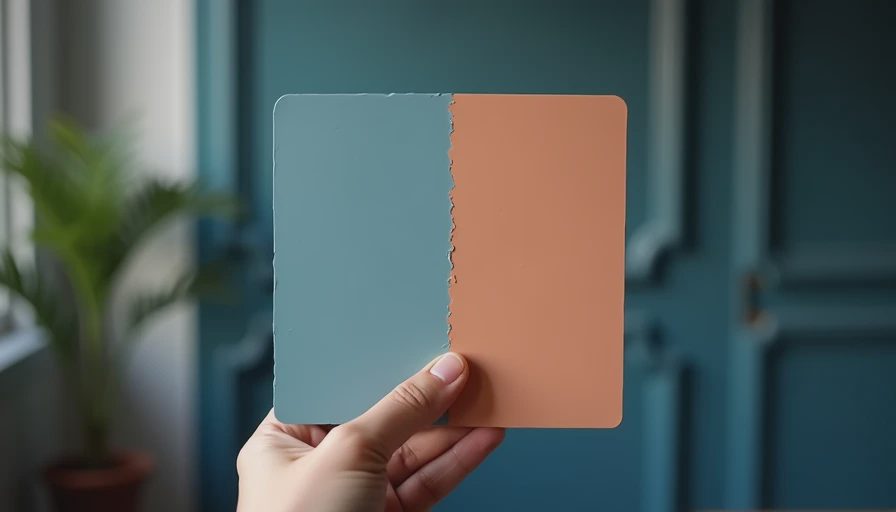
Do not judge a finish from a two-inch card. Paint a two-foot square on the actual wall, let it dry overnight, and view it from the sofa, doorway, and window side. Wet paint often looks darker and shinier than the final coating. One test patch can prevent a weekend of rolling the wrong product.
The preparation steps people skip
Regardless of flat vs eggshell paint, clean the wall first. Dust, cooking residue, and furniture polish can keep paint from bonding properly. Vacuum the baseboards, wipe the wall with a damp microfiber cloth, and let everything dry. If the wall is greasy, use a mild degreasing cleaner and rinse according to the product directions.
Next, fill nail holes and dents with lightweight joint compound, then sand them smooth. Spot-prime repairs so the compound does not flash through the new paint. Glossy old paint should be lightly scuffed, and stains from smoke or water often need a stain-blocking primer. Do not seal an active leak behind paint; fix the source first.
Use a quality three-eighths-inch nap roller on smooth drywall and keep a wet edge. Cheap rollers shed fibers and create a texture that no sheen choice can hide. Two thin coats usually look better than one heavy coat, and the second coat should go on only after the first has dried according to the label.
My recommendation for a real living room
If the room is formal, lightly used, and has imperfect walls, choose a premium washable flat and accept that deep stains may require touch-up. If the walls are smooth and the household uses the room every day, choose eggshell from a reliable line such as Behr Marquee, Benjamin Moore Regal Select, or Sherwin-Williams Duration Home. The brand matters less than surface preparation and application.
For many homes, the sensible combination is flat on the ceiling and eggshell on the walls. The ceiling avoids glare and hides minor imperfections, while the walls gain useful scrub resistance. Trim usually gets satin or semi-gloss because it takes more contact, but do not use semi-gloss on damaged walls unless you want every defect announced.
The final decision in flat vs eggshell paint is not about chasing a finish seen in a showroom. It is about predicting the next year in the room. If cleaning and daily wear are the problem, eggshell is the practical answer. If crooked drywall and harsh light are the problem, flat paint will save the appearance. Spend your money on good preparation, buy enough paint for two coats, and test the actual wall before committing.


No comments yet — be the first to share a thought.