If you're hunting for living room lighting ideas, start with how the room gets used, not with a pretty fixture on a showroom wall. A living room in San Antonio with a west-facing window, a TV, and kids on the floor needs a different setup than a front room that only gets used when company shows up. The bad move I see all the time is buying the light first and trying to force the room to fit it. That usually leads to glare on the TV, dark corners, and one expensive fixture doing a weak job. Figure out where people sit, walk, read, and watch, then build the light around that.
Living Room Lighting Ideas Start With the Ceiling
The ceiling is where the room either works or fights you. If you only have one center fixture, the whole place ends up lit like a waiting room. If you go too hard with recessed cans, you can make a nice room feel flat and clinical. The right answer is usually a simple mix: enough overhead light to move around safely, plus dimmers so you can turn it down when the TV is on or when the family is just hanging out.
In a typical 14-by-18 living room, four to six recessed LED lights can be enough if the walls are light-colored and you have decent daylight. Dark paint, heavy beams, or a ceiling fan in the middle changes that math fast. I like 2700K to 3000K bulbs in a living room because they stay warm without looking yellow and stale. Look for 90-plus CRI if you care about skin tone and wood color not turning muddy. If you're opening the ceiling, do the rough electrical before drywall and paint. A basic recessed-light install can land around $150 to $350 per opening in this market, and a simple dimmer add can be cheap compared with tearing up a finished ceiling later.
Put cans where they wash the room, not where they spotlight the coffee table like a stage. If the room is low, use flush mounts or a low-profile fan-rated box instead of hanging some giant thing that eats the space. The ceiling plan should support the room, not announce itself.
Living Room Lighting Ideas Go Wrong When You Start With the Fixture
This is where people burn money. They see a chandelier, a wagon-wheel light, or a giant modern drum and think the room is done. It isn't. A single decorative fixture rarely lights a living room well unless the room is tiny. More often, it creates one bright circle in the middle and leaves the corners dead. Then the homeowner buys a second lamp, then a third, and the place still feels patchy because the layout never got fixed.
The smarter move is to think in layers. The overhead light handles general brightness. Lamps handle reading, knitting, board games, and late-night TV. Wall lights or a pair of sconces can keep a long room from feeling tunnel-like. In a room with a sectional and a big TV, I like one lamp near the seating area and another where someone actually reads. A 60-watt equivalent LED is often enough for a table lamp, and a floor lamp with a built-in dimmer is worth the extra money. Philips Hue is handy if someone wants app control, but I still want a real switch or wall dimmer because nobody wants to troubleshoot an app when guests are over.
The other trap is the wrong bulb color. Anything around 4000K in a living room usually feels too cold. It starts looking like an office or a garage. Go warmer unless the room is doing double duty as a work zone. The best setups let you turn the room down without killing it completely.
Living Room Lighting Ideas for Walls, Corners, and Furniture
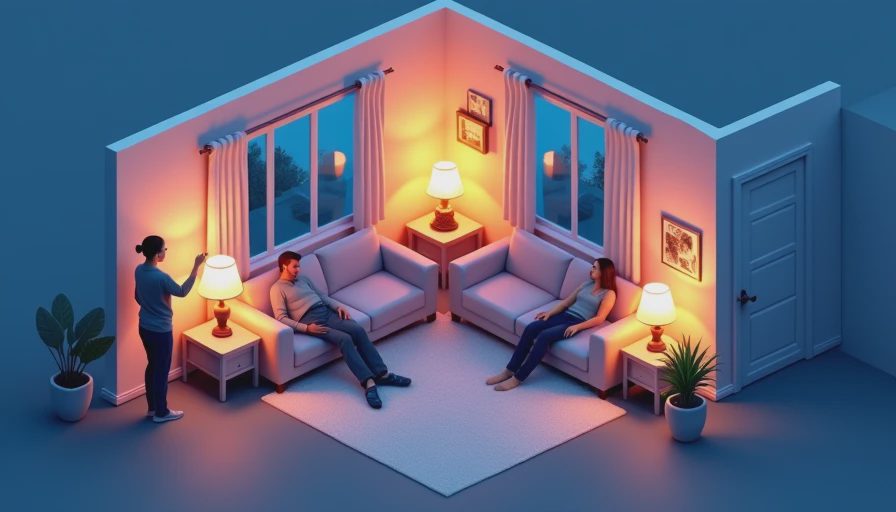
Once the ceiling is right, the corners matter. A lot of rooms fail because the light stops at the middle of the floor. That leaves the sofa side dark, the bookshelf gloomy, and the walkway annoying. A good floor lamp behind or beside the sofa can fix that fast. A table lamp on each end table makes the seating area usable without blasting the whole room. If the room is narrow or there is no room for a lamp base, a wall sconce or plug-in swing arm does the same job without stealing floor space.
This is also where sunlight matters. In San Antonio, a west-facing living room can be bright and hot in the afternoon, then go dead by dinner. That means the room needs a plan for both daylight and dark. Put the brightest task light where someone reads or works, not where the TV sits. If a fixture throws light straight across the screen, you will hate it. I have seen people spend good money on a big overhead piece, then spend the next six months closing shades and moving lamps around to undo what they bought.
If you want the room to feel balanced, keep the lamp heights varied. One tall floor lamp, one table lamp, and one soft wall source usually beats three nearly identical lights. The eye likes layers, even if nobody calls it that on the job site.
Living Room Lighting Ideas on a Real Budget
Good lighting does not have to turn into a full remodel. If the budget is under $500, spend the money on better bulbs, one dimmer, and two solid lamps before you buy a statement fixture. If you can stretch to $500 to $1,500, you can usually add a nicer ceiling light, a pair of matching lamps, and maybe one hardwired sconce or a better switch setup. Once you get into the $1,500 to $4,500 range, you can start talking about new wiring, recessed lights, multiple circuits, and the kind of dimming plan that makes the whole room feel finished.
The order matters. Measure the room. Mark the sofa, TV, chairs, and side tables. Note where the outlets are. Then decide what needs hardwiring and what can stay plug-in. If you skip that step and just buy fixtures, you end up paying an electrician to solve a problem you created in a shopping cart. In a remodel, I like spending money on the parts you touch every day: the switch, the dimmer, the bulbs, and the locations. Fancy glass is fine, but a bad layout will still look bad when the light is on.
A decent plan saves money twice. First, it keeps you from overbuying fixtures. Second, it keeps you from calling someone back to move a box after the drywall is already closed. That is the kind of mistake that turns a small project into a weekend of swearing.
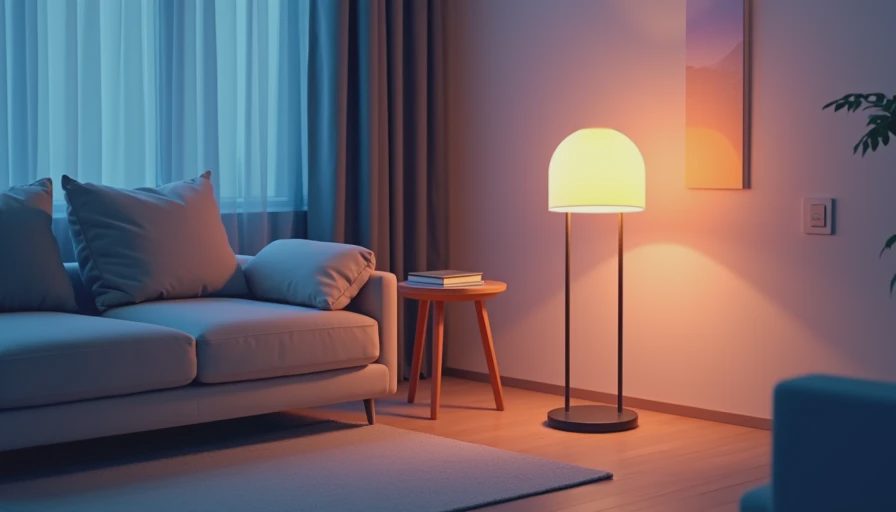
Good light makes a living room easier to use, easier to clean, and a lot easier to sit in after dark. If the room feels harsh, flat, or shadowy, the answer usually is not a fancier shade. It is better placement, better bulbs, and a dimmer that gives you control. Start there, and the rest of the room has a chance to look right.


No comments yet — be the first to share a thought.