If you're working on living rooms with hardwood floors, start with the floor, not the sofa. I have watched too many people spend three grand on a sectional, then discover the room is too tight, the rug slides around, and the finish gets scratched the first time somebody drags a chair. Hardwood is a good base, but it is not a magic fix. It shows traffic, sunlight, pet nails, and every bad furniture choice you make. The trick is building the room in the right order so the floor stays sound and the room still feels like a place people can sit down and live in.
How I build living rooms with hardwood floors that still feel usable
The first question is not stain color or trim style. It is what that floor has to deal with every day. In San Antonio, I see hard use from kids in socks, dogs with clipped nails, and a lot of sun coming through one side of the room. A solid oak floor can take it, but only if the subfloor is flat and the finish is decent. If the floor squeaks now, fix the fasteners before you put money into paint or built-ins. If the room has a bad hump or a soft spot, that needs to be handled before you cover it with a rug and pretend it is fine.
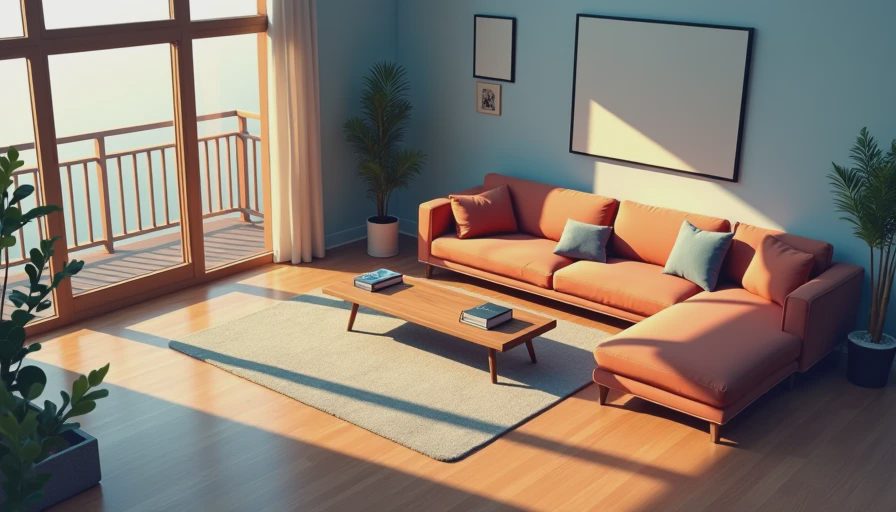
The second question is how the room moves. Living rooms with hardwood floors are unforgiving when the layout is sloppy because every chair leg, table foot, and ottoman mark shows up fast. I want at least 30 inches of walking path where people actually pass through, and I want the front feet of the sofa anchored on a rug instead of hovering in space. That gives the room weight. It also stops the rug from looking like it was dropped there by accident. If the TV wall, fireplace, or window wall is fighting the furniture, solve that before you buy more furniture. A bad layout costs more than a decent one.
The rug, pad, and furniture math
A good area rug is not decoration. It is protection, noise control, and visual glue. For most living rooms, an 8-by-10 rug runs about $250 to $800 if you shop smart, and a better wool piece can land between $900 and $1,500. The rug pad matters just as much. Use a thick felt-rubber pad, not the thin mesh junk that bunches up and lets the rug skate across the floor. I have seen polished hardwood get chewed up by a cheap pad in less than a year. That is a dumb place to save fifty bucks.
Furniture feet matter too. Felt pads on chairs and side tables are cheap insurance, usually $10 to $25 a pack. On heavier pieces, I like nylon glides or rubber cups, depending on the leg shape. If a client wants a coffee table with metal feet, I tell them to expect marks unless they add protection. That is not being picky. That is how floors get preserved. In living rooms with hardwood floors, the stuff that touches the floor gets more abuse than the wall paint, the trim, or the pillows ever will.
Light, airflow, and the TV wall
Light changes how hardwood looks more than most people expect. Strong afternoon sun can wash out a light oak finish and cook a darker stain until it looks flat. If the room gets hard sunlight, use lined drapes or woven shades so you can cut the glare without turning the place into a cave. I have seen clients blame the flooring when the real problem was a west-facing window and no window treatment. The floor was fine. The room was too bright and too hot.
Airflow matters because floors move. Homes in Texas see humidity swings, and wood reacts. That does not mean you need to baby it. It means you should keep the HVAC working, avoid mopping with a soaking wet bucket, and leave expansion space at the edges during install. If you are putting in new hardwood, expect installed engineered flooring to run roughly $8 to $14 per square foot, while site-finished oak can climb higher once sanding and finish are included. A refinishing job on an existing room often lands around $3 to $6 per square foot. That is real money, so do it once and do it right.
Budgeting for living rooms with hardwood floors
When people ask what a living room upgrade costs, I start with the stuff that actually changes the room. A repaint can run $400 to $1,500 depending on prep and ceiling height. New trim work or patching drywall can add a few hundred more. Recessed lighting usually lands around $150 to $250 per light when the wiring is straightforward, and it goes up fast if the ceiling is crowded or the switch leg has to be rerouted. Built-ins, even simple ones, can eat $3,000 to $12,000 if you want them to look like they belong there.
That is why living rooms with hardwood floors are expensive when the owner chases finish before function. The flooring sets the tone, but the budget gets blown by little misses: a rug too small, a sofa too deep, a TV mounted too high, or a table that blocks the walkway. I have seen a $5,000 room look better than a $20,000 one because the smaller job respected the floor and the larger job fought it. If you are prioritizing, put the money into the floor, the light, and the layout before you spend on stuff that only looks good in a photo.
Mike's clipboard: the fixes that pay off
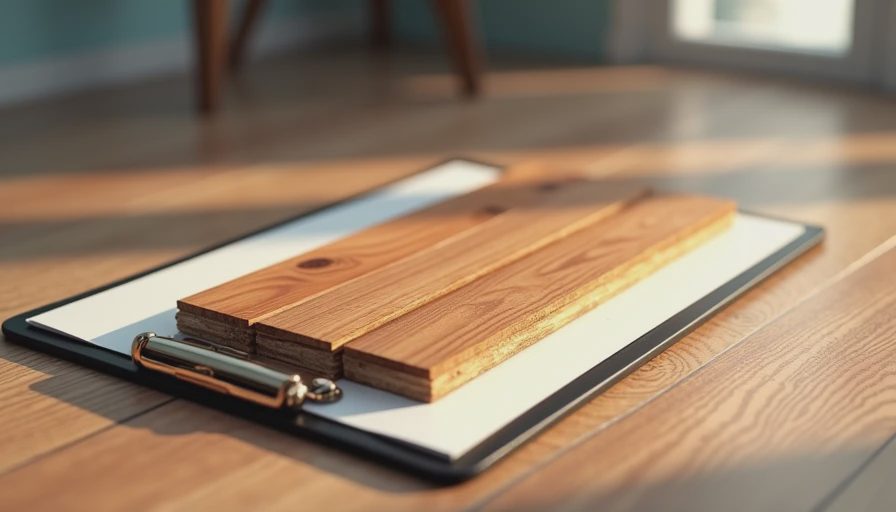
Here is the short version from a guy who has had to fix other people's bad calls. Use the biggest rug the room can handle. Keep chair legs protected. Pick a finish sheen that does not show every scratch; satin usually beats gloss in a family room. If the room feels echoey, add a rug pad, drapes, and a fabric chair instead of assuming the hardwood is the problem. If the room gets hammered by shoes at the entry, put a runner at the transition so the floor is not taking direct abuse every day.
The best living rooms with hardwood floors are the ones that were planned in order: structure first, floor second, layout third, then furniture and finishes. That is how you keep the room from fighting itself. If you want the place to last, stop thinking like a decorator for one afternoon and think like the person who has to live with it after the dust settles. That is how I handle living rooms with hardwood floors when the goal is a room that looks good now and still looks good after a few years of real life.

No comments yet — be the first to share a thought.