When a homeowner asks me about floor tiles for living room, I don't start with color or style. I start with the substrate. In San Antonio, half the living rooms I walk into are sitting on a concrete slab, and the other half are over a wood-framed floor. That one fact decides which tile you can use, how thick it should be, and whether you'll be cursing the grout in a year. Tile is a permanent decision, so let's get the technical side out of the way before you fall in love with a sample.
The Subfloor Comes First
If your living room is over a wood frame, you need a subfloor that doesn't bounce. Tile wants deflection no more than L/360, which means your joists need to be up to the job. I've seen 2x8 joists on 16-inch centers fail. You'll get cracked grout lines, and the tile will look like a map of San Antonio in six months. Concrete slab is simpler, but check for level. A 1/4-inch dip across the room means you're going to either float the floor or chip the high spots. Don't skip this step. The best tile in the world will fail if the base underneath it moves.
Porcelain vs. Ceramic: The Difference That Actually Matters
Most floor tiles for living room are either porcelain or ceramic. They look similar but perform very differently. Ceramic is softer and more porous. It's fine for a powder room or a guest bedroom, but it's the wrong call for a living room. Porcelain is denser, harder, and has a lower water absorption rate. It can handle the traffic, the dropped coffee mug, and the dog who doesn't quite make it to the door in time. And they aren't expensive — you can get a decent porcelain tile at Home Depot for two bucks a square foot. But I'll tell you right now: that $2 tile is a builder-grade pick. It'll do the job, but the color and finish won't be as consistent as what you get at a tile shop.
The Floor Tiles for Living Room That I Actually Install
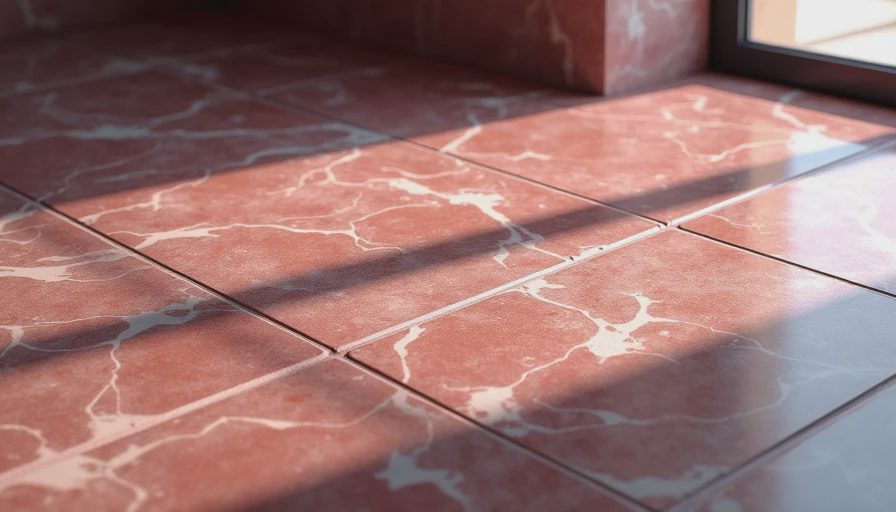
In the eleven years I've been running renovation projects in Bexar County, I've installed about every kind of tile you can name. If you want the straight answer, here it is. For a living room, I spec a rectified porcelain tile in a large format — 12 by 24 or 24 by 24. The rectified edges mean the tile is cut exactly the same, so you can keep grout lines down to an eighth of an inch. That's where the look comes from. Your eye reads a clean, seamless surface. Daltile and MSI both make a reliable line of these. Plan on spending $3 to $6 per square foot for something that'll still look good when your kids graduate high school.
The Real Cost of Floor Tiles for Living Room
Let's talk money, because this is where the budget blows up. The tile itself is the cheapest part. For a 400-square-foot living room, you'll pay maybe $600 to $1,200 for materials if you go with a mid-range porcelain. But installation is where the real numbers show up. A good tile setter in San Antonio charges $4 to $8 per square foot. That's $1,600 to $3,200 just for labor. Then add thinset, backer board, grout, and sealing. The whole job lands around $3,500 to $5,500 depending on how picky you are about layout. And if you ask for a diagonal or herringbone pattern, add fifty percent to the labor. That's not the tile guy gouging you — it's every cut taking twice as long.

Order of Operations: When to Tile
The living room renovation order matters. Tile goes in after the drywall and before the baseboards. It should never go in before the walls are painted — you'll drip paint on that expensive porcelain and spend hours scrubbing. Here's my typical sequence: demo, rough-in electrical and HVAC, hang drywall, tape and float the walls, install the tile floor, then do baseboards and trim. The tile is the walking surface, so it has to be protected during the rest of the job. I've seen homeowners lay the tile first to 'enjoy it' and then regret every drop of paint, every piece of drywall dust, and every scratch from a ladder.
Mistakes I See Homeowners Make With Living Room Tile
There's a short list of mistakes that show up on every job site. First is choosing tile that's too slick. High-gloss tile may look great in a showroom, but in a living room with any sort of afternoon sun, it becomes a glare machine. And if you have kids or elderly folks, you want a tile with a coefficient of friction that doesn't turn the room into a skating rink. Second is ignoring the grout. An epoxy grout is worth the extra cost in a living room. Regular cementitious grout will stain, crack, and harbor dust. Third is thinking you can lay the tile yourself. You can, but the cuts at the doorways and the transition to the kitchen are where DIY jobs go south. That's where you'll see a crooked line from across the room. I've fixed more of those than I can count.
Bottom line: floor tiles for living room are a solid choice if you pick porcelain, get the subfloor right, and hire a real tile setter. Do that, and the floor is the last thing you'll have to worry about for the next twenty years.


No comments yet — be the first to share a thought.