A leather sofa buying guide should start with the same question I ask on a renovation job: what abuse will this thing take? A sofa in a quiet sitting room has a different job from one handling kids, dogs, dropped barbecue sauce, and somebody sleeping on it every Saturday. I have watched expensive sofas fail because the frame was weak, the cushions were overstuffed, or the buyer measured the room but forgot the front door. The leather matters, but it is not the first thing to inspect.
Start With the Room, Not the Showroom
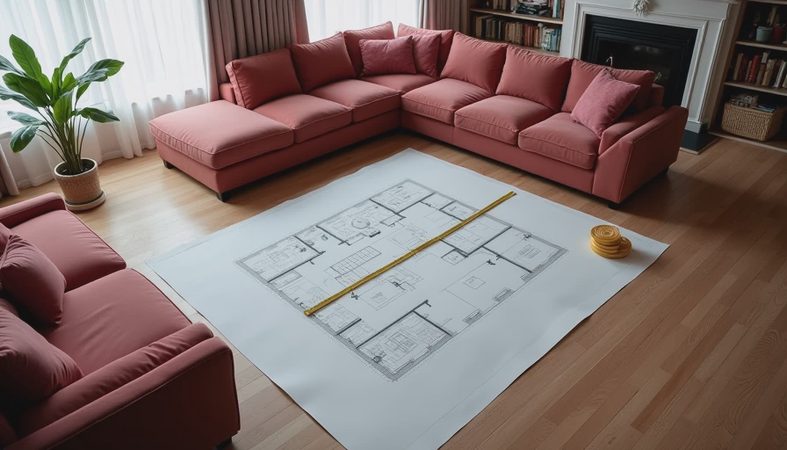
Before you look at colors, measure the room and every route the sofa will travel. Record wall length, ceiling height, doorway width, stair turns, elevator dimensions, and the location of vents and outlets. A 92-inch sofa can fit against a 12-foot wall and still be impossible to get through a 30-inch entry door. I have seen a homeowner order a sectional that fit beautifully on paper, then discover the arm could not clear the staircase railing.
Leave at least 30 to 36 inches for the main walking path. Keep sofa legs clear of floor vents, and do not block return-air grilles with a deep skirt. In a San Antonio house with strong afternoon sun, direct light can heat leather and fade nearby wood faster than most people expect. Measure the television distance too. A sofa that is 42 inches deep can look comfortable in a warehouse but put your knees too far from a normal-size screen.
For most living rooms, a seat depth between 21 and 24 inches is a practical starting point. Deeper seats suit tall adults, but shorter people often need a firm pillow behind their back. That is not a style problem; it is a geometry problem.

Know What Kind of Leather You Are Paying For
The useful part of a leather sofa buying guide is explaining labels without showroom fog. Full-grain leather uses the outer surface of the hide and retains natural marks. It is usually expensive, but those marks are not defects. With use, it can develop a darker, softer finish called a patina. Top-grain leather is also made from the outer hide, but it is sanded or corrected for a more uniform surface. It often gives you a better balance of price and durability.
Split leather comes from the lower layers of the hide and is less resistant to stretching and abrasion. Bonded leather is a manufactured material made with leather fibers and a coating. It can look convincing when new, but the surface may crack or peel where people sit, especially in dry rooms or busy households. “Leather match” generally means real leather on contact areas with vinyl or another material on the sides and back. That can be a reasonable budget choice, but you should know what you are buying.
Ask the salesperson to write the material description on the invoice. “Genuine leather” sounds reassuring but tells you very little about the grade, thickness, or location of the leather on the sofa. Rub a sample, bend it, and look at the back. A plastic-looking finish is a warning sign if you want a natural material that ages well.
Inspect the Frame and Suspension
The frame carries everything, including the person who drops into the sofa after a long day. Kiln-dried hardwood, properly joined and reinforced, is a better starting point than thin particleboard. Do not accept a vague claim such as “wood frame.” Ask what wood, where the joints are, and whether the corners are blocked. A corner block is a solid reinforcement piece that helps keep the frame square.
Lift one front corner a few inches. If the opposite front leg rises too, the frame is relatively rigid. If the sofa twists and the far leg stays planted, the frame may be flexible. That quick test is not laboratory proof, but it catches flimsy construction in a few seconds. Sit down hard, shift sideways, and listen for clicking or cracking.
Under the cushions, look for sinuous springs or eight-way hand-tied springs. Either can work when properly installed. The bigger warning is uneven spacing, loose webbing, or a bottom that sags when you press it. The leather sofa buying guide rule I use is simple: good leather cannot rescue a bad frame. Repairs to a weak frame often cost $300 to $800, assuming the piece can be opened without destroying the upholstery.
Test the Cushions Like You Will Use Them
Foam density affects how quickly a cushion loses its shape. A seat cushion around 1.8 to 2.5 pounds per cubic foot is a common practical range for residential use, though the foam blend and construction matter too. High-resilience foam usually holds its shape better than cheap low-density foam. Down or feather wraps feel soft but require regular fluffing. They also compress faster in the spot where one person always sits.
Sit in every seat for several minutes. Check whether your feet reach the floor, whether the front edge presses behind your knees, and whether the back supports your shoulders. Remove the cushions if possible. A loose seat cushion can be rotated, but a fixed cushion cannot. Removable covers help with cleaning, though not every zipper means the cover is designed for machine washing.
For a household with children, I generally prefer firm foam with a fiber or feather wrap rather than a loose down seat. It is easier to reset, less likely to develop a permanent crater, and still comfortable with a properly shaped back cushion. Spend the extra money on cushion quality before paying for decorative stitching.
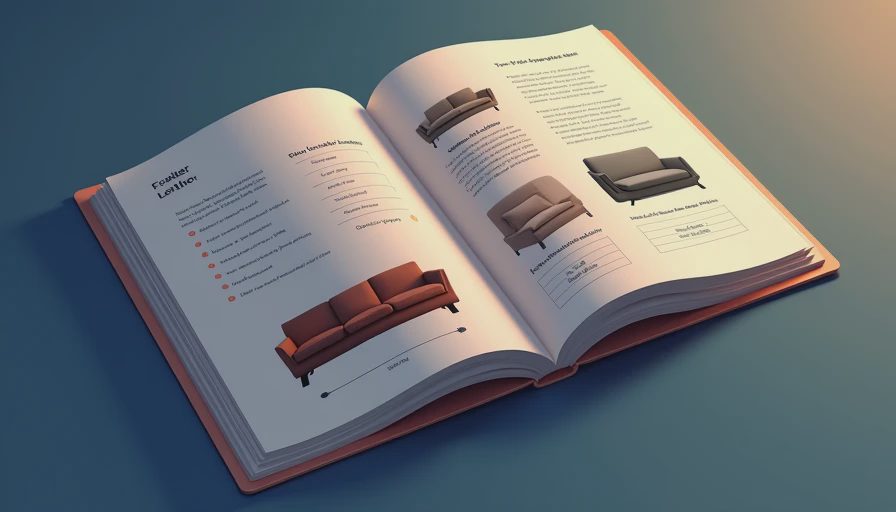
Match the Finish to Real Household Abuse
A protected or pigmented leather finish is usually easier to live with than an untreated aniline finish. Aniline leather feels soft and shows natural variation, but it absorbs spills and develops marks quickly. That can be beautiful in a formal room and aggravating in a family room. Semi-aniline sits between those options, offering some surface protection while retaining more of the hide's natural feel.
Dark brown and medium tan finishes usually hide dust, denim transfer, and small scuffs better than very pale leather. Black can look sharp but shows dust and scratches under bright windows. Ask for a maintenance sheet before ordering. Most leather needs occasional dusting with a dry cloth and a cleaner recommended for that specific finish. Household disinfectant, saddle soap, and random internet oils can damage the coating.
Sun exposure deserves its own decision. If the sofa sits beside a west-facing window, use curtains or shades and leave some distance from the glass. The same protection helps wood floors and keeps the room cooler. A $400 shade can prevent a much more expensive upholstery problem.
Price the Whole Purchase, Not Just the Sofa
A workable leather sofa buying guide has to discuss the final bill. Entry-level leather-match sofas often land around $1,000 to $2,000. A well-built top-grain sofa from a reputable furniture manufacturer commonly runs $2,000 to $4,500. Full-grain or premium custom pieces can pass $5,000 before delivery. The highest price is not automatically the best construction, so inspect the frame and cushions instead of trusting the tag.
Add delivery, assembly, fabric protection if appropriate, and disposal of the old sofa. Delivery may cost $100 to $300 locally, with more for stairs, tight access, or long-distance shipping. Measure again before the return window closes. Photograph the sofa, packaging, and any damage on arrival. Keep the invoice and material description.
My final leather sofa buying guide check is practical: sit on it with your shoes off, stand up without using the arms, inspect the underside, and confirm the warranty covers the frame, suspension, cushions, and leather separately. Then compare two or three models using the same measurements. Buy the sofa that fits your room, your body, and your daily mess—not the one that wins under showroom lighting.
No comments yet — be the first to share a thought.