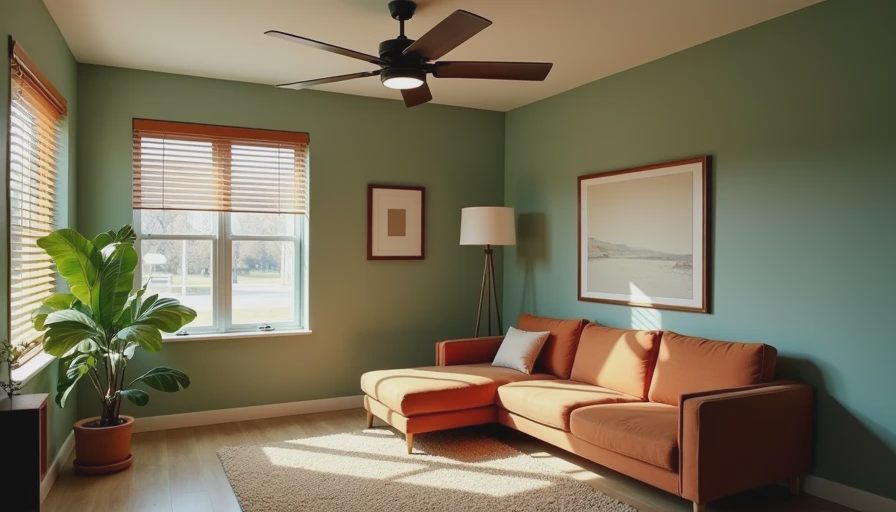
If you're shopping for living room ceiling fans with lights, don't start with style. Start with the room, the ceiling height, and whether the fan will fight the TV or help the traffic pattern. I’ve seen plenty of living rooms where the light looked fine on day one and turned into a noisy, wobbly headache by month six. The right setup gives you air movement, usable light, and one less lamp taking up floor space.
Size the fan to the room, not the catalog photo
Most people buy by looks and then wonder why the thing barely moves air. For living rooms, blade span usually lands at 52 inches for a normal room, 54 to 60 inches for bigger open plans, and 44 to 48 inches for smaller dens. Ceiling height matters just as much. If the ceiling is 8 feet, you want a low-profile or hugger style. If it is 9 feet or higher, a short downrod usually makes the fan move air better and keeps the light at a sane height. Good living room ceiling fans with lights also need the right clearances: blades should stay well away from walls, cabinet tops, and tall bookcases. I tell homeowners to measure the room, then measure it again before they click buy.
A fan that is too small can run all day and still leave the room stale. A fan that is too large can make the seating area feel like a wind tunnel. Neither one is a win.
Get the wiring and controls right before you buy
The fan is the easy part. The box in the ceiling is where the trouble starts. A light fixture box is not automatically fan-rated, and that matters because a fan shakes. If the box is not rated for a fan, it needs to be replaced or braced properly before the new unit goes up. That is not a glamorous upgrade, but it is the difference between solid and annoying.
On living room ceiling fans with lights, I like separate control if the room can handle it. One wall switch for the fan and another for the light is cleaner than living with a dead-simple pull chain and a remote that disappears into the sofa cushions. If the room only has one switch, a remote control fan with dimmable LED light is usually the practical move. In a remodel, an electrician in San Antonio might charge $250 to $500 for a straightforward replacement, and more if he has to add a new box, run wiring, or patch drywall after the fact.
What decent equipment costs in the real world
You do not need to buy the most expensive fan in the aisle, but you should skip the flimsy one with the thin metal housing and the wobble out of the box. At the big-box level, Hunter and Hampton Bay cover a lot of basic ground. Expect roughly $90 to $220 for a decent fan with a light kit. Step up to Minka-Aire, Casablanca, or Modern Forms and you are usually in the $250 to $800 range, with quieter motors, better finishes, and cleaner control options. DC motor fans cost more up front, but they are smoother and often use less power than old-school AC models.
For living room ceiling fans with lights, I pay attention to the light kit as much as the motor. A dimmable integrated LED saves you from buying bulbs every six months, but only if the color temperature is right. In a living room, 2700K to 3000K keeps the light warm enough to live with at night. A bright, cold light over the sofa feels like a break room.
Installation can be the bigger bill than the fan itself. If everything is ready, budget about $250 to $450 for labor. If the ceiling needs a new fan box, a downrod, or drywall repair, the total can land closer to $600 to $1,200.
Mistakes that make a living room annoying
The first bad move is hanging the fan too low. A person should not duck every time they cross the room, and the blades should still stay safely above head height. The second bad move is picking a fan with a light so bright it washes out the whole room. That sounds useful until you try to watch a game and get glare on the screen. The third bad move is forgetting that airflow and layout have to work together. If the sofa, coffee table, and TV are jammed into the middle of the room, the fan will feel wrong even if it is installed perfectly.
I have also seen living room ceiling fans with lights mounted where a recessed can or pendant would have been better, just because somebody wanted symmetry. Symmetry does not matter if the fan blade tips scrape the sightline or the motor hums over every quiet scene. If the room has a vaulted ceiling, use the right downrod. If the ceiling is low, use a hugger style and stop trying to make a tall fan fit a short room.
A plain example from a 1990s Texas house
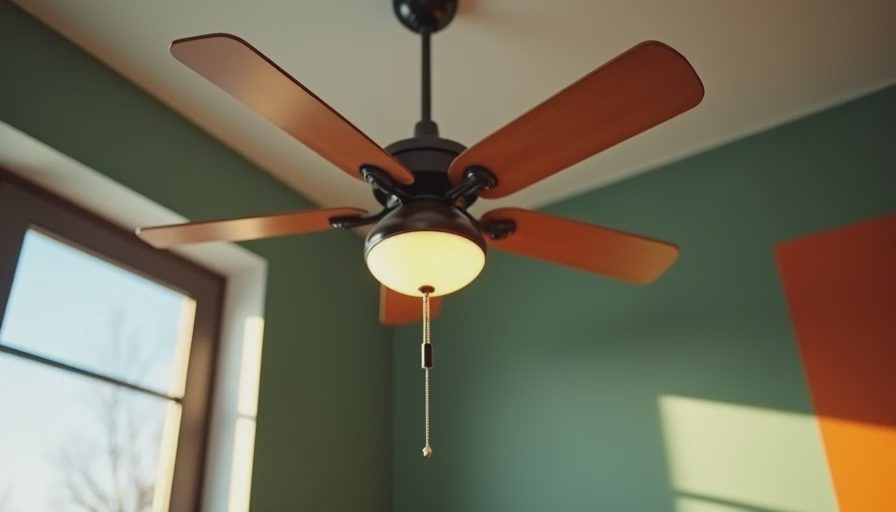
I had a 1990s ranch in Bexar County with an 8-foot ceiling, one wall switch, and a living room that stayed warm every afternoon. The owner wanted a bigger fan, but the first thing I did was measure the seating area and check the box. The existing box was not fan-rated, so we swapped it out, ran a proper support brace, and used a 44-inch low-profile unit with an LED light on a remote. That room did not need a giant 60-inch fan; it needed the right fan in the right place. After that change, the space felt calmer, the lamp clutter went away, and the family used the room more because it was not fighting them anymore.
That is the lesson. Good living room ceiling fans with lights do not fix bad layout, but they stop one more small problem from piling onto the rest of the room.
What to check before you sign the receipt
Before you order, check the ceiling height, the room size, and the switch setup. Check whether the ceiling box is fan-rated. Check whether you want a remote, a wall control, or both. Check the color temperature of the light and make sure it fits the rest of the room. Then look at the finish and decide whether it belongs with the floor, the trim, or the furniture you already own.
If you are in a hot market like San Antonio, I would spend a little more on quiet operation and a good light kit. That is money you feel every day, not just on install day. Pick the right size, mount it solid, and buy once. That is how you keep the room comfortable without creating another project for next summer.



No comments yet — be the first to share a thought.