If you get the living room lights wrong, the whole room feels off no matter how nice the sofa is. I have seen people spend good money on paint, rugs, and a new sectional, then wonder why the room still looks gloomy or washed out. The fix is not more decor. It is a lighting plan that matches how the room actually gets used, whether that means TV nights, kids on the floor, reading in one corner, or a couple of lamps that do the heavy lifting when the overheads are too harsh.
Start with the job, not the living room lights
Before you buy a fixture, decide what the room has to do. A family room that handles movie nights needs different lighting than a formal sitting room that only gets used on weekends. I start by looking at traffic paths, where the TV lands, where the windows throw glare, and where somebody will actually sit with a book. That sounds basic, but it is where most bad plans start. People buy one big ceiling light and call it done. Then they live with a hot spot in the middle of the room and dark corners everywhere else.
A better setup usually has three layers. The first layer is general light, which keeps the room from feeling like a cave. The second is task light, like a floor lamp beside a chair or a lamp near the sofa end table. The third is accent light, which can be a picture light, a small uplight, or even a pair of lamps that make the room feel finished after dark. That mix is what makes a room usable. In San Antonio, a simple fixture swap can run around $250 to $600 once you add the fixture and labor. If you start adding new switches or moving wiring, the price climbs fast.
Get the rough-in right before you buy fixtures
If you are remodeling, the wiring plan comes first. Not paint. Not drapes. Wiring. A ceiling light placed two feet off center will bug you every single night. A switch stuck behind an open door will bug you for years. I have watched people spend money on a beautiful room and then curse the electrical layout because nobody checked where the furniture would live before the drywall went up. That is how you end up with extension cords snaking across a floor that was supposed to be finished.
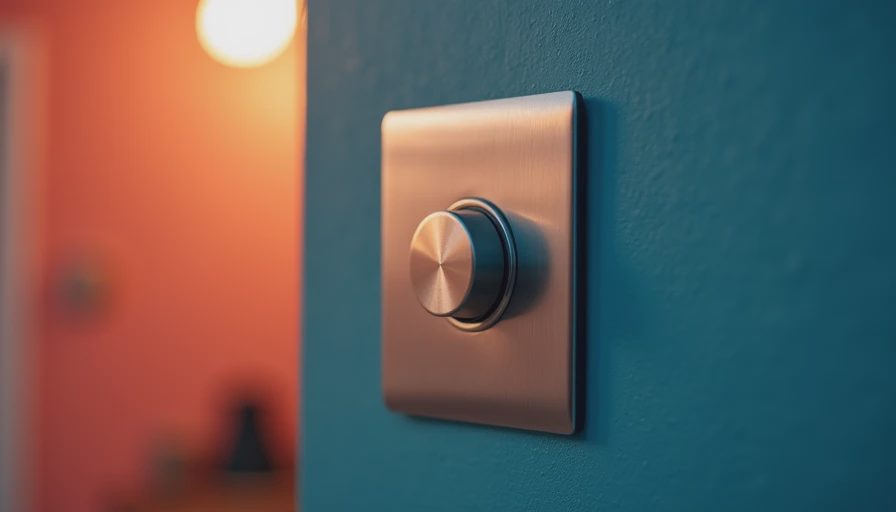
For a room with an 8-foot ceiling, recessed cans or a low-profile flush mount usually behave better than a giant hanging fixture. In a larger living room, a ring of recessed lights spaced to avoid shadows is cleaner than one bright center point. If the attic is open and the electrician can work above the ceiling, a basic recessed-light job might land in the $1,500 to $4,000 range depending on how many lights and switches you want. Add dimmers while the walls are open. Lutron makes reliable dimmers, and they are worth the money because cheap switches fail in the dumbest ways.
Bulbs that make living room lights behave
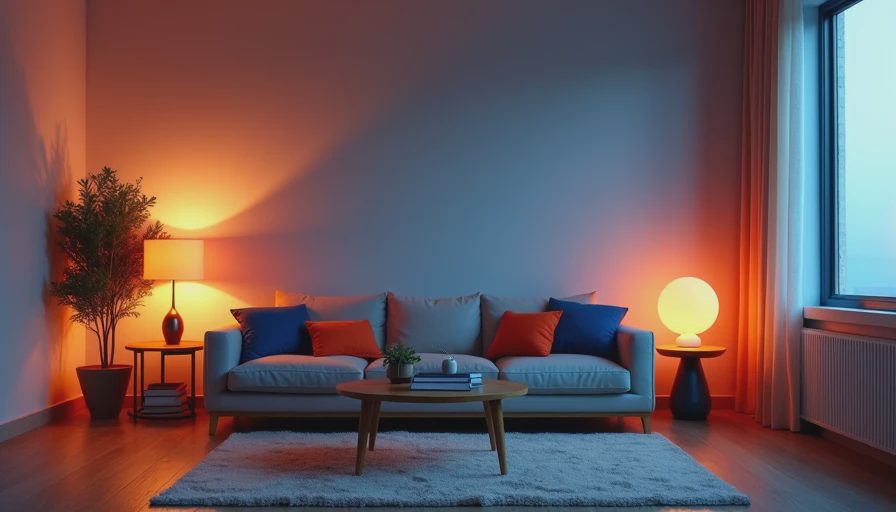
The bulb matters more than most people think. A pretty fixture with the wrong bulb still gives you a bad room. For most living spaces, I like warm LED bulbs in the 2700K to 3000K range. That gives you a softer white that feels lived-in instead of blue and clinical. If you go too cool, the room starts to feel like an office or a waiting room. If you go too yellow, the space can look muddy, especially with darker wood or beige walls. Brightness matters too. A reading lamp wants enough lumens to see a page without squinting, while a main room light should not blast the whole room like a parking lot.
Pay attention to CRI if you care how fabric and paint actually look. A higher color rendering index helps the couch, rug, and wall color read the way they were meant to. Philips makes solid LED bulbs, and Philips Hue is useful if you want app control or scenes without rewiring the whole house. Smart bulbs are not magic, though. If the fixture is poorly placed, no app will save it. The boring answer still wins: the right bulb, on the right dimmer, in the right spot.
Match the fixture to the ceiling and furniture
Ceiling height changes everything. An 8-foot ceiling does not have room for a showpiece chandelier that hangs down into your headspace. A low-profile flush mount or a short semi-flush fixture is usually the safer choice. If you have a vaulted ceiling, a taller pendant or a larger decorative fixture can work, but only if the room can handle it. I have seen oversized fixtures take over a living room like they were the whole point of the house. They were not. They were just expensive mistakes with bulbs in them.
Furniture layout matters just as much. If the sofa faces the TV, you do not want a bright source reflecting off the screen. If the room has a sectional tucked into one corner, you may need lamps on the open end so the seating area does not turn into a cave at night. That is why I like to place the lights after the room is measured, not before. A floor plan on paper beats a guess in the aisle at Home Depot every time.
What I tell homeowners before they spend on living room lights
Here is the order that saves money and headaches. First, decide where the furniture goes. Second, mark where the switches need to land. Third, choose the ceiling plan, whether that means recessed lights, a flush mount, or a simple fan light if the room needs air movement too. Fourth, pick the bulbs and dimmers that will not fight each other. Fifth, install and test the room at night, because a plan that looks fine at noon can fall apart after dark. That last step is where a lot of nice rooms get exposed.
I had a client in a 1990s house who wanted one huge fixture over the middle of the room. The room was long, the sofa sat off to one side, and the TV lived on the opposite wall. We split the light into two zones, added dimmers, and used lamps where people actually sat. The room did not get fancier. It got usable. That is the whole game with living room lights. If you want the room to feel bigger, calmer, and easier to live in, get the lighting grid right before you spend another dollar on the pretty stuff.



No comments yet — be the first to share a thought.