If you are trying to sort out floor lights for living room use, start with the room you actually have, not the one in the catalog. Most living rooms I see have one weak ceiling fixture, a TV that throws glare, and at least one dark corner where nobody wants to sit. A good floor lamp fixes that without tearing open the ceiling. It gives you light where people read, where they walk, and where the room feels dead at night. The trick is picking the right lamp, putting it in the right spot, and not buying a shiny mistake that looks good for a week and annoys you for years.
What floor lights for living room work need to do
A floor lamp in a living room is not decoration first. It is a tool. It should make the room easier to use after dark, not just prettier at noon. That means three jobs: light a seating area, cut the cave effect in corners, and avoid blasting the TV screen with reflection. If your sofa faces a bright glass shade or a bare bulb, you picked the wrong fixture.
The best setups usually mix layers. One lamp handles reading next to a chair. Another gives soft fill light behind the sofa or near a console. In a smaller room, one torchiere or uplight can bounce light off the ceiling and open the whole space up. In a bigger room, I like a pair of lamps with matching color temperature so the room does not look like two different houses mashed together.
Buy bulbs with a warm color, usually 2700K to 3000K. That gives you a living-room feel without turning the place yellow and sleepy. LED bulbs are the move because they run cool and last a long time. If the lamp is dimmable, even better. That lets you watch a movie, read a paper, or keep the room lit for guests without running every light at full blast.
Pick the right style before you spend the money
Not every lamp belongs in every room. A torchiere throws light upward and works well when the ceiling is not too high and the room needs a general wash of light. An arc lamp reaches over a sofa or chair, which is handy when you do not want a table lamp stealing floor space. A swing-arm floor lamp is the practical choice for reading because you can point the light where it matters. A multi-head lamp is useful in a family room with more than one seat, but only if the arms do not turn into a junk pile of dust and elbows.
This is where people get tricked by the showroom. A tall glass lamp can look clean in a big open store and still be useless in a real living room because the shade throws light into your eyes. I have seen plenty of owners spend $300 on a nice-looking lamp and then still use the ceiling light because the lamp never did the job. That is a bad purchase, plain and simple.
My rule is simple: match the lamp to the task. If the room needs reading light, pick a directional head and a sturdy base. If the room needs softer fill light, pick a shade that spreads light instead of spotlighting one patch of carpet. If you have kids or a narrow path through the room, skip the top-heavy lamp that wobbles when somebody brushes past it.
Placement beats fancy hardware every time
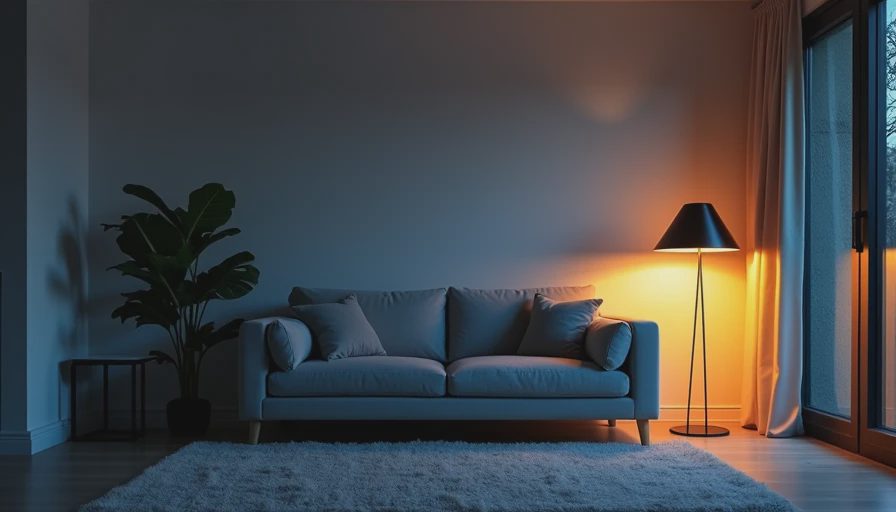
Where you put the lamp matters as much as which one you buy. Put a reading lamp just behind and to the side of the chair, not directly in front of the face. Put a fill light near the end of a sofa, not in the middle of a traffic lane where people will kick the base every day. If the lamp sits near a TV, turn it so the bulb does not bounce off the screen. That one mistake causes more complaints than bad paint colors.
On a lot of San Antonio projects, the room layout is boxed in by windows, vents, and door swings, so I tell homeowners to mark the floor with painter’s tape before they buy anything. Tape off the lamp base, the chair, and the walking path. If the tape makes the room feel tight, the real lamp will too. That little exercise saves money fast.
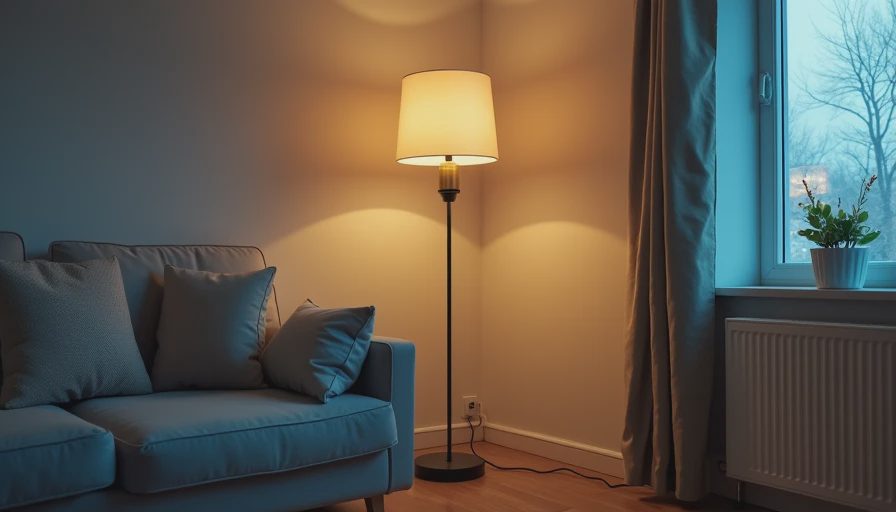
Cord control matters too. A loose cord across a main path is a trip hazard and a reason to hate the lamp. If you can tuck the lamp near a wall outlet, do it. If not, have an electrician add a receptacle where the lamp actually belongs. A simple outlet job can be a few hundred dollars, and it is worth it if it keeps the room clean and safe.
Price ranges, brands, and the stuff that fails early
You can get a decent floor lamp for $50 to $150 if you keep it simple. That is the range where IKEA, Home Depot, Lowe’s, and Amazon all have usable options. Step up to $150 to $300 and you start seeing better switches, heavier bases, and shades that do not look cheap after six months. Designer names like West Elm, Crate & Barrel, or Room & Board can run $300 to $800 or more, mostly for the finish, the materials, and the look of the thing.
Brightech, Adesso, and Philips Hue each show up a lot because they solve different problems. Brightech is often about straightforward LED floor lamps that do the job without drama. Adesso tends to have more style-driven pieces with good task lighting. Philips Hue is the smart-light route if you want app control and dimming without swapping fixtures every year. None of that matters if the base is flimsy or the shade is wrong, so do not get distracted by the packaging.
What fails first is usually not the bulb. It is the cheap foot switch, the wobbly neck, or the lamp that looks fine until you touch it and realize it has no weight. I have seen plenty of bargain lamps lean after one move because the base was too light for the height. Spend a little more on stability. That is money you feel every time someone walks by it.
A simple buying checklist keeps you from wasting a weekend
Before you order, answer these questions in plain English. Do you need reading light or soft room light? Is the lamp going beside a chair, behind a sofa, or in a dead corner? Will the cord cross a walkway? Does the room already have overhead light, or is this lamp carrying the load at night? If you cannot answer those questions, you are shopping blind.
Then check the basics: base weight, height, shade direction, bulb type, and switch location. A switch on the cord is fine for a lamp in the corner. A reachable switch is better for a lamp you use every night. If you want smart control, buy the bulb system you will actually use, not the one with the longest feature list. A lot of people pay for app controls and then never touch them again.
I like to tell homeowners to buy one lamp, live with it for a week, and then decide if the room needs a second. That keeps you from filling the place with matching junk just because you were in a buying mood. The room will tell you pretty fast whether the light is right.
If you want floor lights for living room spaces that work on the first try, keep the job simple: match the lamp to the task, place it where people actually sit, and pay for a stable base and a decent bulb. Do that, and you will get a room that feels finished at night instead of a room you avoid after sunset.



No comments yet — be the first to share a thought.