The flooring for living room in a typical San Antonio home takes more abuse than any other surface in the house. Foot traffic, dog claws, spilled coffee, sunlight through the west window, and the constant drag of sofa legs. I've torn out carpet that smelled like three owners ago and ripped up tile that had cracked from a single dropped cast-iron pan. Before you pick a color, you need to pick a material that survives your actual life.
Here's how I talk to clients about living room floors, and the numbers I use to keep their budget honest. This isn't a design blog. It's a job-site guide from someone who has installed, repaired, and replaced every flooring option I'll mention below.
Start With How You Actually Live
Don't start at the store. Start in your own living room.
Ask these questions before you look at samples:
- Do you have kids who will drag toys across the floor? That rules out some finishes.
- Does a dog run through here every day? Even a 15-pound dog will scratch certain surfaces.
- Do you eat or drink in this room? Spills happen, and not all flooring handles them the same.
- Does sunlight hit the floor for more than a few hours a day? UV will fade some materials fast.
- How long do you plan to stay in this house? That changes the return-on-investment math.
I once had a client in Alamo Heights who wanted white oak hardwood in a living room with three dogs and a south-facing window. I told her it would look like a rental within a year unless she committed to area rugs and a strict nail-trimming schedule. She went with a mid-range luxury vinyl plank instead, and three years later the floor still looks like the day it was installed. That's not a knock on hardwood. That's a match between the material and the household.
Flooring for Living Room Options That Earn Their Keep
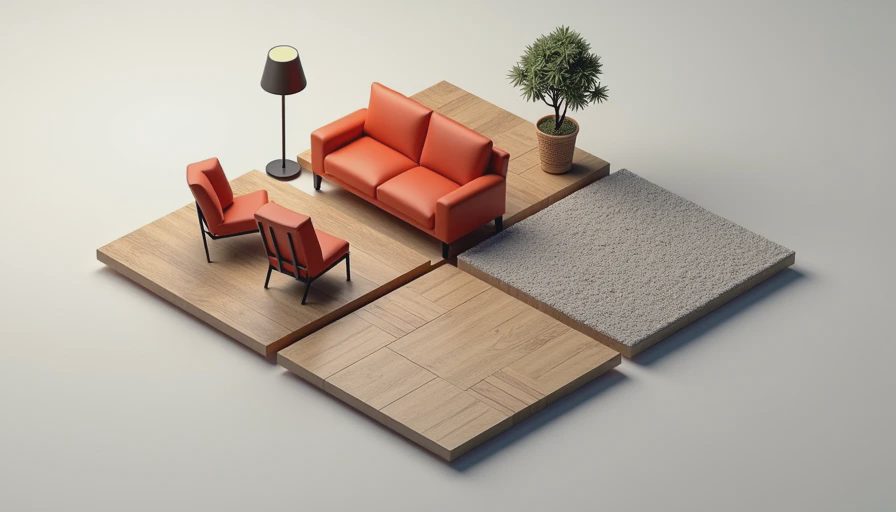
Let's run through the main options I actually install and recommend. Prices are installed cost per square foot in the San Antonio market as of this year.
Luxury vinyl plank runs $3.50 to $6.50 installed. It's my default for most families. It handles water, scratches, and sunlight better than anything else. COREtec, Shaw Floorte, and Mannington make the good stuff. Avoid the bargain pallet.
Engineered hardwood runs $6 to $12 installed. It's real wood on a plywood base, so it handles humidity better than solid. You can refinish it once or twice. If you want wood, this is usually the smarter call.
Solid hardwood runs $8 to $15 installed. It looks incredible and can be refinished many times. But it scratches, dents, and hates moisture. Unless your living room is low-traffic, keep it in the bedroom.
Porcelain tile runs $7 to $12 installed. It's tough and stays cool in Texas heat. But it's hard on the feet and unforgiving when you drop things. It needs a perfectly flat subfloor to avoid cracked grout.
Carpet runs $3 to $8 installed. It's the softest and quietest option, but it stains, traps allergens, and eventually smells. I only recommend it if you truly love vacuuming.
The Three Things That Kill Living Room Floors
No matter what material you choose, three installation problems cause most failures. Pay attention to these before and during the install.
Subfloor preparation. A bumpy subfloor will telegraph through any flooring. LVP and tile are especially unforgiving. I've seen installers skip self-leveling compound to save time, and the floor rises and falls like a cheap motel parking lot. Fix the subfloor before you lay anything.
Moisture. Concrete slabs in Texas always have some moisture. If you skip the vapor barrier under wood or laminate, you're gambling. I've pulled up engineered hardwood that buckled because the client's plumber left a leak under the slab and the flooring had no barrier.

Expansion gaps. Every material moves with temperature and humidity. If you install it tight against the wall, it will eventually buckle. I've seen new hardwood floors get ruined in their first summer because the installer left no room for expansion.
What I'd Install in My Own Living Room
If you're leaning on a decision, here's my shortlist based on what I've walked on in clients' homes and my own house.
For a typical family with average wear and tear, LVP is the winner. It's the best balance of cost, durability, and looks. Put a high-quality brand on your shortlist and don't overpay for the top end.
For a couple who entertains a lot and wants a more premium feel, engineered hardwood in a matte finish looks great and handles humidity changes better than solid.
For a household with no kids, no pets, and a healthy budget, solid hardwood remains the classic living room floor. Just be ready to maintain it.
The Bottom Line
The best flooring for living room is the one that survives your actual life, not the one that looks best in a showroom. Set your budget, answer the lifestyle questions, and respect the install process.
If you're in the San Antonio area and want a quick walkthrough of your living room before you buy anything, I do that. Send me a note through the blog and we'll set up a time. You'll get an honest opinion and a clear order of operations, and you'll know exactly what it'll cost before you commit a single dollar.

No comments yet — be the first to share a thought.