Every week I walk into a living room with a client who's already picked out a floor before we've checked the subfloor. So let's settle this: the best flooring for living room is the one that survives your actual life, not the one that looks good in a photo. In my years running renovations in Bexar County, I've installed and ripped out just about every option. Here's the honest breakdown.
Start With the Subfloor, Not the Sample
Before you pick anything, find out what's under your feet. In San Antonio, half the homes I work on are on concrete slabs, the other half are 1990s two-stories with wood joists. Concrete slab means moisture can wick up through the pad. Glue down solid hardwood on a slab without a proper moisture barrier, and you'll get cupping within a year. Wood joists give you more flexibility, but they bring their own problems: bounce, sagging, and squeaks.
If you're on a concrete slab, rent a floor grinder or use self-leveling compound to fix dips before laying anything. On wood joists, screw down loose subfloor panels and check for joist deflection. That's thirty minutes of work that saves you a nightmare later.
The point is simple: if the subfloor isn't flat and dry, every material you put on top will fail early. I've seen thin-set tile crack because the slab had a quarter-inch dip. I've seen laminate seams pop because the floor didn't acclimate. Do the prep work before you spend a dime on finish materials. Ignore it and you'll be paying twice — I've watched a $4,000 tile job fail because the homeowner skipped a $200 leveling step.

Hardwood: The Classic That Demands Respect
Solid hardwood is beautiful, and it can last a hundred years if refinished properly. But it scratches. Dogs, kids, furniture legs — they all leave marks. Solid oak is tough to beat, but it's also the most expensive route, and it doesn't love humidity. In Texas heat, you'll pay attention to moisture content or you'll pay for the consequences.
Engineered hardwood is the smarter option for most living rooms. A real wood veneer on a plywood core holds up better to moisture and temperature swings. You can still refinish it once or twice, depending on the veneer. I've installed brands like Bruce and Shaw, and they've held up well for families. Just don't confuse "engineered" with cheap — it's not.
Laminate and LVP: The Workhorses
Laminate is the old budget king, but LVP — luxury vinyl plank — has stolen that title. Both imitate wood, but they handle real life differently. Laminate is a composite core with a photographic layer and a wear layer. It's durable and cheap, but water left overnight will make a plank swell like a sponge.
LVP is the one I recommend most often. It's waterproof, quiet underfoot, and it doesn't turn your living room into a museum. A mid-range LVP like COREtec or Shaw Floorte runs between $3.50 and $6.00 per square foot for material alone. Installation is click-lock, so a competent DIYer can handle a weekend project. I've put LVP in a house with three Rottweilers and a kid who rides a scooter inside. Two years later, it still looks new.
Tile and Carpet: When They Make Sense
Porcelain tile is the best flooring for living room only if you live somewhere hot, or if the living room opens into the kitchen. Large-format tile looks great and never wears out, but it's cold underfoot and brutal on knees. If you go tile, seal the grout and buy area rugs.
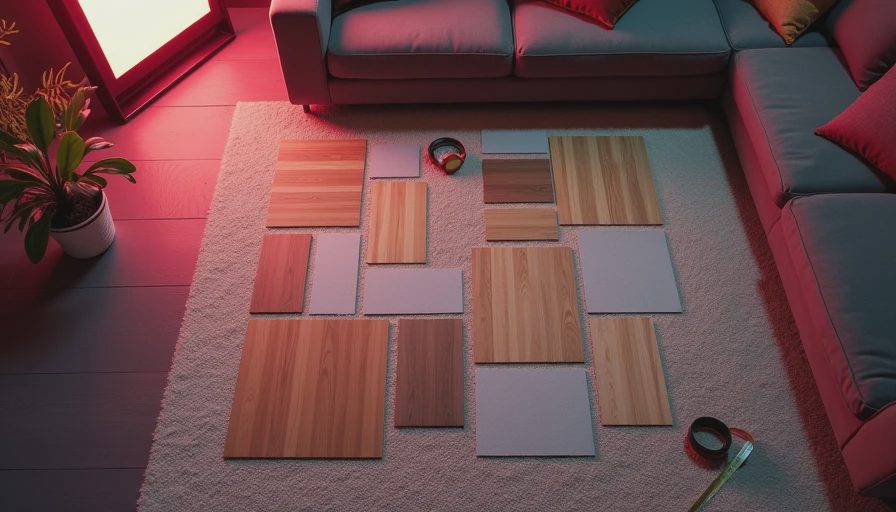
Carpet is the coziest thing you can put down, but it traps stains and holds smells. I'd rather steer you toward a good wool rug on top of hard flooring. That way you get carpet comfort where you need it, and you can pull it out and clean it or replace it when it's tired.
What the Best Flooring for Living Room Costs (Real Numbers)
For a 250-square-foot living room, here's what I'm seeing in 2025 pricing in San Antonio, materials and professional install included: LVP: $2,000 to $3,800. Laminate: $1,500 to $2,800. Engineered hardwood: $3,000 to $5,500. Solid hardwood: $4,500 to $7,500. Porcelain tile: $3,000 to $6,000, more if the slab needs leveling. Carpet: $1,200 to $2,200. Your zip code moves those numbers, but it's a starting point.
The Installation Order That Saves You Money
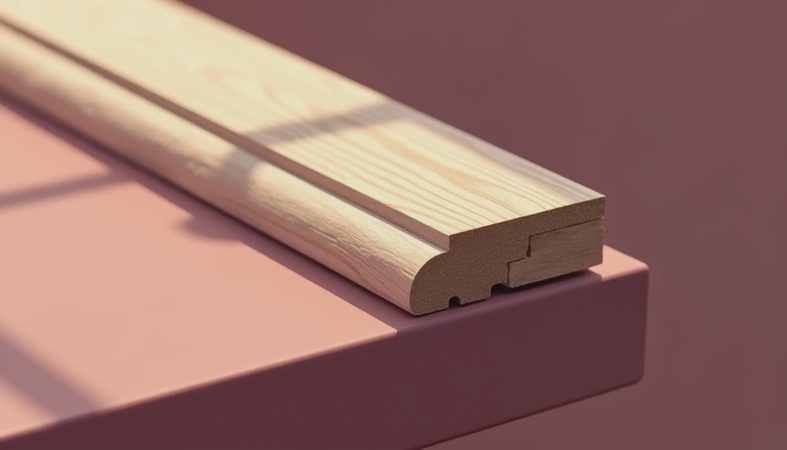
Here's a mistake I see homeowners make: they pick flooring first, order the sofa, then realize the flooring has to go in before the baseboards. A living room renovation has a sequence: measure, order the floor, let it acclimate for 48 hours, level the subfloor if needed, install the flooring, then trim and baseboards, and finally the furniture. If you're doing LVP click-lock, you can skip the glue, but you still need a sharp knife, a tapping block, and a quarter-inch expansion gap around the walls. Skip that gap and the floor will buckle on the first hot day.
My Shortlist
If you're asking me point-blank for the best flooring for living room in the real world, here it is. For families with kids and pets, LVP wins. It's durable, waterproof, and affordable. For a cleaner, classic look and higher resale value, engineered hardwood is the call. For a tight budget, I'd still take laminate over cheap carpet, but shop for the thickest wear layer you can find.
That's the honest answer. Do the subfloor work, pick something that matches your daily life, and you won't be redoing this room in five years. If you want to run your plan past me, drop a comment below.


No comments yet — be the first to share a thought.