If you're looking for living room flooring ideas, you're probably tired of scrolling through magazine photos of perfect rooms that don't look like your life. I get it. I've spent the last eleven years managing residential renovations in San Antonio, and I've ripped out more floors than I care to count. Here's the truth: the best floor for your living room isn't the one with the fanciest name. It's the one that survives kids, dogs, food, and furniture without making you curse the day you picked it.
This isn't a list of pretty pictures. It's what holds up, what fails, and what it actually costs to install. If you're planning a remodel, read this before you sign anything.
Start With the Subfloor, Not the Finish
Before you pick a material, get down on your hands and knees and inspect what's underneath. A floor is only as good as the subfloor it sits on. In the last decade, I've seen a lot of trouble from builders who skip this step. Sand and pour a leveling compound if you have dips, or your new planks will rock and split. The leveling compound alone runs $300 to $600 for an average living room, and it's the best money you'll spend.
If your house is on a concrete slab, check for moisture before anything goes down. A simple plastic sheet test can tell you if you have a vapor problem. If you do, you need a vapor barrier, not just a pretty floor. If you have plywood, walk every gap and listen for creaks. Screw down any loose sheets before you lay foot on the finish. This is the part nobody takes a picture of, but it's why pros make money.
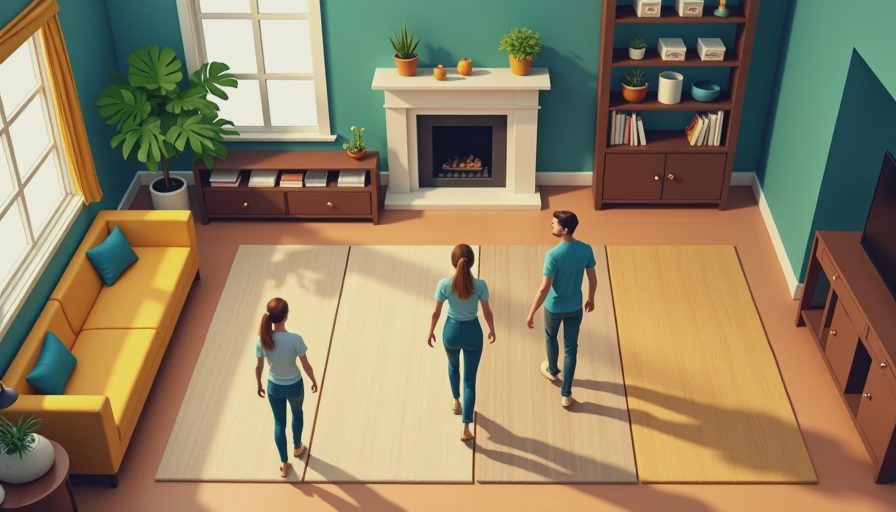
Hardwood: Beautiful, but It'll Cost You
Solid hardwood is the classic, and it still looks better than anything else when it's done. The trouble is, it scratches, dents, and reacts to humidity. In San Antonio, we see hardwood cup and warp in houses without proper HVAC control. You'll pay anywhere from $10 to $15 per square foot installed, and that's before you spend on acclimation time. The wood needs to sit in your living room for a week before install, or you'll get gaps in the winter.
If you love the look, consider engineered hardwood instead. It's made of a real wood veneer over plywood, and it handles moisture better. It can also float over a foam pad, which makes it quicker to install. You'll pay $6 to $12 per square foot. Just know that the top veneer is thin. Once you refinish it, there's no second round. Treat it like a real wood floor, and it'll serve you well.
Luxury Vinyl Plank: The Floor I Keep Recommending
If you want a floor that takes a beating and looks decent, luxury vinyl plank is the answer. I've put it in my own living room, and I'd do it again. In my book, it tops the list of living room flooring ideas that make sense for families. It's waterproof, it's quiet enough, and the good stuff has the texture of wood without the drama. You can buy rigid core options from brands like Coretec or Lifeproof for around $3 to $6 per square foot. That's installed cost if you're handy, or a bit more with a professional.
The reason LVP shines in a living room is simple: it doesn't care about kids spilling drinks or a dog running in from the rain. It's one of the few floors I can honestly say won't make you angry in six months. If you want the feel of wood, look for a 7-mil or higher wear layer. Thicker is better, especially near an entry door. Just don't pay for the cheapest stuff from a big box store; the wear layer is too thin and you'll see scratches in no time.

Tile, Carpet, and the Rest
Tile and stone look great in certain living rooms, but they are hard on your knees and cold in the winter. Porcelain tile runs $5 to $10 per square foot installed, and if you drop a coffee mug, it's done. If you have radiators or in-floor heat, tile can be a smart choice. But for most families, I'd skip tile in the main living area and use it in an entry or sunroom instead.
Carpet isn't the enemy. It's warm, quiet, and forgiving when you fall asleep on the couch. A decent nylon carpet pad and install runs $3 to $7 per square foot. The problem is stains and wear. If your living room is the main hangout zone, carpet will show the path to the kitchen within a year. Consider a low-pile loop or a pattern that hides the traffic. But if you entertain with red wine, do yourself a favor and go with vinyl.
Costs and the Bottom Line
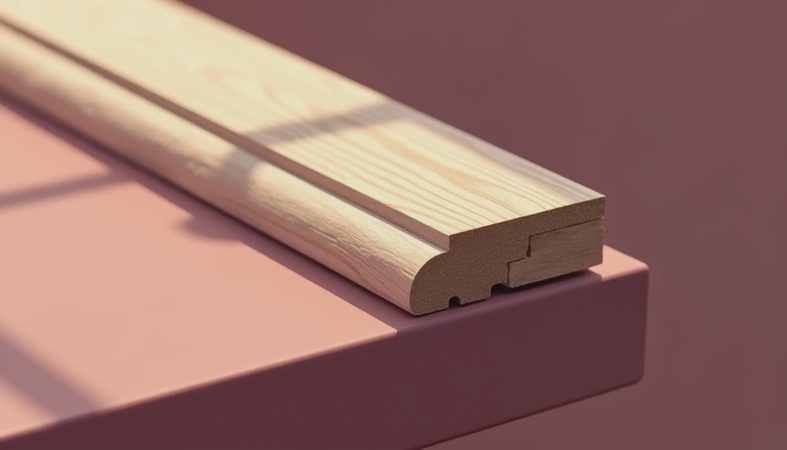
Now for the part most living room flooring ideas ignore: what it actually costs. Let's talk real numbers. For a 300-square-foot living room, your floor alone could cost anywhere from $900 to $4,500 depending on the material. Add underlayment, trim, and labor, and you're looking at $1,500 to $7,000. The honest truth is that most people blow the budget on the product and skip the prep. Don't do that. That's how you end up calling me six months later to fix a floor that's already failing.
If you take one thing away, it's this: choose living room flooring ideas that match how you actually live. If you have pets and kids, LVP. If you want a classic wood look and have the budget and the care, engineered hardwood. If the room is formal and barely gets used, solid hardwood or tile. And remember, the subfloor is the foundation. Get that right and the rest is just decoration.

No comments yet — be the first to share a thought.