If you are shopping for living room floor lamps, start by thinking about what the room has to do at night, not what looks decent in a showroom. In a real house, the lamp has to light a book, calm down a dark corner, stay out of the traffic path, and not throw a white stripe across the TV. I have seen plenty of good rooms get ruined by one lamp that was too short, too shiny, or too close to the sofa. The fix is not complicated, but it does take a little common sense. Pick the right height, put the lamp where it serves a job, and stop buying whatever was on sale because the box had a nice photo.
What living room floor lamps really have to do
Most living room floor lamps are asked to do three jobs at once: fill in weak light, support a chair or sofa zone, and keep the room from feeling like a cave after sunset. That is why the pretty little lamp with the tiny shade usually disappoints. If the shade sits too low, the light hits your eyes instead of the book. If it sits too high, you get a hot spot on the ceiling and a dim room below. A good rule is to look for a lamp that lands around eye level when you are seated, or slightly above the back of the sofa if it is placed behind seating. In a San Antonio ranch house with eight-foot ceilings, that usually means something in the 58- to 64-inch range.
The base matters too. A skinny tripod can work if the room is open, but in a tight layout it turns into another thing to bump with a vacuum or kid's backpack. A heavier round base is boring, sure, but boring is fine when it stays put. If the room already has a lot going on, like a sectional, a big TV, and a ceiling fan, keep the lamp shape simple and let it do its job quietly.
Put it where the traffic actually moves
When living room floor lamps are placed in the wrong spot, they create problems you do not notice until you live with them for a week. I have watched people shove one beside a sofa arm because it looked balanced, then spend the next month zigzagging around the cord every time they crossed the room. That is how you end up with scuffed baseboards and a lamp that gets unplugged every time someone vacuums. Put the lamp where it lights the seat, not where it blocks the route.
Think in zones. If one chair is the reading spot, the lamp belongs there. If the room needs general light, one lamp can sit behind the sofa and another near a dark corner to pull the room together. In open-plan homes, living room floor lamps can also help define the living area without adding walls or buying more furniture. That is useful when the dining table sits right behind the sofa and the whole place needs a little structure. Keep cords tucked to the wall with clips or a cord cover. It is cheap, and it saves you from looking at a mess every night.
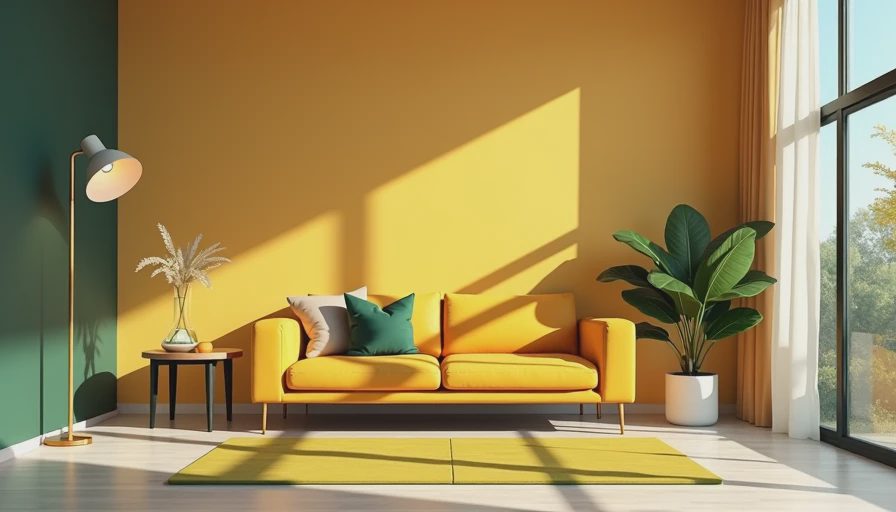
Bulbs, glare, and the mistake people keep making
The biggest mistake is buying a decent lamp and putting a bad bulb in it. A soft white LED in the 2700K to 3000K range is the safe bet for most living rooms. It feels warm without looking yellow and it will not make your drywall look gray and tired. If you want to read under it, look for a bulb with enough output to matter, not a decorative filament bulb that looks good on a shelf and does nothing on the page. A dimmable lamp is better than a non-dimmable one because living rooms change jobs all day. Morning light, kids on the floor, TV at night, company on the couch. The room should not be stuck in one mode.
If the shade is open at the top and bottom, check for glare when you stand and sit. I have seen people buy shiny metal shades or clear glass styles because they looked clean online, then complain that the lamp blasts their eyes every time they walk past it. Matte shades and fabric shades are safer if the lamp sits anywhere near a seat. For a quick test, stand in the room at night with the overhead light off. If the lamp makes the TV harder to watch or throws hard light into your face, it is in the wrong place or the wrong style.
What to spend and where cheap stuff bites
If your living room floor lamps are cheap in the wrong way, the problems show up fast. A $40 lamp from a big-box aisle can be fine for a guest room or a kid's corner, but in the main living room you usually feel the difference in the base, the socket, and the switch. The pole wobbles, the shade leans, or the foot switch dies after a year. Spend in the $80 to $200 range and you usually get better balance, better finish, and a lamp that does not look like it came in a flat box because it did. If you are shopping higher, places like West Elm, CB2, and Lumens tend to have more style choices, while IKEA, Target, Home Depot, and Lowe's usually cover the practical end without making you remortgage the house.
For a normal living room, I tell people to budget for two good lamps instead of one fancy one if the room is large or the ceiling is tall. Two decent lights beat one expensive one every time when the real problem is coverage. If you want a cleaner look, use one floor lamp plus a couple of table lamps, but do not force a single lamp to light the whole room just because you like the shape.
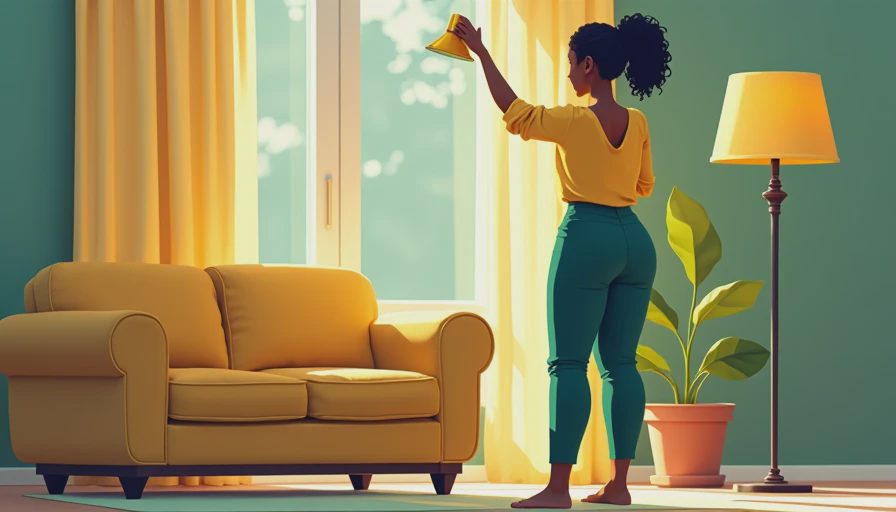
The quick field test before you buy
Before you click buy, measure the spot where the lamp will live, then compare that to the shade width, base size, and total height. Read the return policy like a grown-up, because even good living room floor lamps can look wrong once they are standing next to your sofa and TV. Cardboard cutouts help more than most people think. Tape a rough height on the wall, mark the base footprint on the floor, and see whether the lamp steals walkway space or sits where a chair can actually use it. That five-minute check can save you from a return fee and a lot of grumbling.
The other thing I watch is finish. Black, brass, and bronze hide fingerprints and blend into most rooms. Chrome and polished nickel can work, but they bounce light around and make glare easier to notice. If the room is already dark, a lamp with a lighter shade and a darker base usually feels less heavy. If the room is bright and open, the opposite can look cleaner. The best living room floor lamps are not the ones with the most parts or the loudest shape. They are the ones that disappear into the room when they should, then earn their keep the second the sun goes down.

No comments yet — be the first to share a thought.