I’ve spent enough time in busted-up living rooms to know that modern floor lamps for living room layouts are rarely about style first. They are about fixing dark corners, taking pressure off a bad ceiling light, and giving you a place to read without turning on half the house. In a lot of San Antonio homes, especially the older ranches and the newer open plans with one sad overhead fixture, the right lamp does more real work than another throw pillow ever will.
Why modern floor lamps for living room corners beat another ceiling project
If the room is dark where people actually sit, you do not need a bigger chandelier. You need light where the body lives: beside the sofa, behind the chair, near the end of the sectional, and anywhere a ceiling can’t reach without a remodeling bill. That is why I like a floor lamp before I like a new electrical run. A decent ceiling change can run a few hundred dollars once you bring in an electrician, patch drywall, and paint the repair. A good floor lamp from IKEA, Target, Wayfair, or West Elm can land anywhere from $60 to $300 and start working the day you carry it in.
The other reason I push the lamp is control. A ceiling can flood the room, but a lamp can read the room. It can give soft light for TV time, stronger light for a book, and enough glow to keep a hallway from feeling like a cave. In homes with west-facing windows, like a lot of what I see around Bexar County, the sun goes hard in the afternoon and then disappears fast. A lamp with a dimmer gives you a smoother handoff than an overhead switch that feels either too bright or too dead.
How modern floor lamps for living room setups should be measured
Height matters more than people think. If the shade sits too low, you get glare in your face. If it sits too high, the light spills over the top of the area you want to light and does nothing useful. For a reading spot next to a sofa, I usually look for a lamp somewhere around 58 to 64 inches tall, with the light source high enough to clear the seated eye line. Arc lamps are good when the base has to stay out of the walkway and the head needs to reach over a chair arm. Straight torchiere styles work when you want more general room light and less task light.
Base size matters too. A skinny lamp with a weak base is a stubbed toe waiting to happen. If the lamp sits beside a kid’s play zone, a dog path, or a narrow passage to the patio door, I want weight at the bottom and a footprint that does not tip if somebody bumps it. If the room already feels crowded, a floor lamp with a slim profile is smarter than a side table and a lamp stacked together. You get the light without eating another two feet of floor.
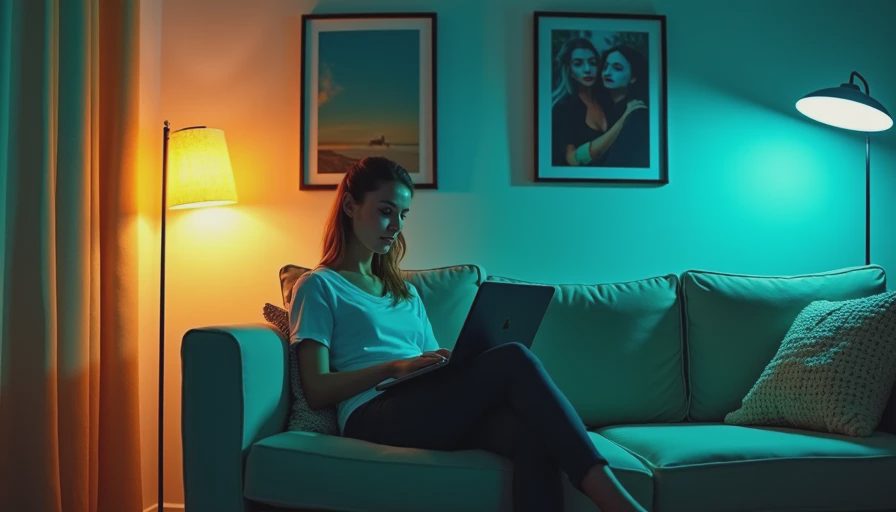
Bulbs, switches, and the stuff that makes the lamp worth owning
The lamp itself is only half the job. The bulb decides whether the room feels warm, flat, or like a gas station parking lot. For most living rooms, I like LED bulbs in the 2700K to 3000K range. That keeps the color warm enough for a couch zone without turning everything yellow. Look for enough brightness to matter, usually somewhere around 800 to 1600 lumens depending on the size of the room and whether the lamp is doing task work or just filling a corner. If the lamp is dimmable, even better. Dimming is not a luxury when you are watching TV at night and then trying to read for twenty minutes after.
I also pay attention to the switch. A good foot switch or an easy reach-on switch beats a knob buried behind the shade. Smart bulbs from Philips Hue or Sengled can make sense if you already run a few in the house, but do not pay extra for app control if all you need is a clean on-off routine. The shade matters in a plain, practical way too. Fabric shades soften the light. Metal and opaque shades aim it more aggressively. If a lamp looks great online but uses a weird bulb size that costs twice as much at the hardware store, skip it and keep moving.
Where the lamp should go in a real living room
I had a client in a 1990s ranch south of town with one center light, a deep sectional, and a TV wall that swallowed the whole room. The fix was not more furniture. It was one good lamp behind the sectional corner and one by the reading chair. That changed the room from “everyone crowds under one bad glow” to “each seat has its own job.” The TV glare dropped. The dark corner disappeared. Nobody had to drag an end table across the room to charge a phone or read a magazine.
That is the placement rule I keep coming back to. Put the light where people sit, not where the floor has empty real estate. Keep it out of the main traffic path. Do not block an HVAC register, a door swing, or the sightline to the TV. If the lamp is next to a sofa, make sure someone can stand up without clipping the shade. If it sits near a chair, leave room for the chair to pull forward. This is basic layout work, but it saves you from buying a lamp twice because the first one only looked good in the store.
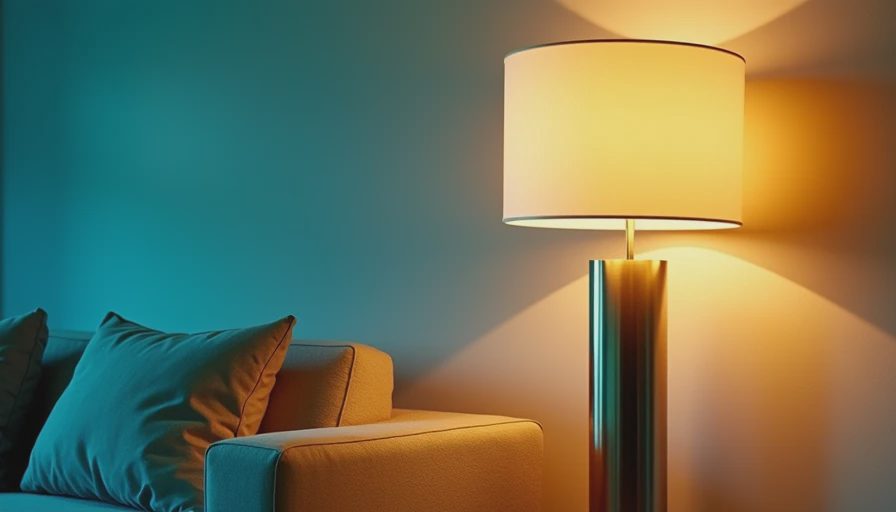
What to buy at different budgets
If you are shopping cheap, stay in the $60 to $120 range and buy the simplest thing that checks the boxes: stable base, decent shade, standard bulb, easy switch. That bucket has a lot of throwaway junk, so do not be fooled by a shiny finish. Around $120 to $250 is where you start seeing better metal finishes, better weight, and cleaner proportions from brands like Adesso, Brightech, IKEA, and Target’s better lines. Above $250, places like West Elm and CB2 tend to give you heavier bases, cleaner joints, and finishes that do not look like they came out of a box after one season.
I tell homeowners not to spend like the lamp is a centerpiece if it is only there to solve a lighting problem. Spend enough to avoid wobble, ugly plastic parts, and a shade that sags after a year. Spend less if the room itself is still changing. A living room under renovation does not need a designer statement piece before the floor, paint, and furniture plan are settled.
The quick checklist before you click buy
If you are choosing modern floor lamps for living room space, start with the job, not the photo. Ask where the dark patch is. Measure the seat height and the traffic path. Check the base so it will not tip. Pick a bulb that gives warm, useful light instead of that cold blue look people mistake for modern. Make sure the switch is easy to reach, and make sure the cord can run cleanly without crossing the room like a tripwire. If the lamp solves one of those problems, it earns its spot. If it only looks good online, leave it in the cart and keep shopping.



No comments yet — be the first to share a thought.