If you are comparing wall lights for living room projects, start with the job they need to do, not the style photo. A living room usually needs less glare, fewer cords on the floor, and light where a lamp cannot sit. That is why wall lights for living room make sense in rooms with bad traffic patterns, a big sectional, or a TV wall that always feels too dim after sunset.
I have fixed enough living rooms in San Antonio to know the pattern. People buy one ceiling light, one floor lamp, and a box of cheap bulbs, then wonder why the room still looks rough. The fix is usually simple: get the light off the floor, put it at eye level, and make it controllable. That sounds basic because it is. Basic is what works.
What wall lights for living room spaces actually fix
The first thing wall lights solve is the dark corner problem. Every living room has one. It is usually the chair nobody uses, the end of the sofa, or the blank stretch beside the fireplace where the room goes dead after 6 p.m. A pair of sconces or swing-arm fixtures can put light where a lamp would eat up space. In a smaller room, that matters more than style ever will.
They also clean up the layout. Floor lamps land in walk paths. Table lamps fight with end tables, drink cups, remotes, and charging cords. Wall-mounted fixtures give you light without giving the room another object to bump into. That is why I like them in rooms with kids, pets, or a sectional that already takes up half the floor plan.
The other win is control. Good wall lighting is not just on or off. Put it on a dimmer and you can run it bright for reading, softer for TV, and low when the room is just background space. I have used Lutron dimmers on enough jobs to trust them because they are simple, reliable, and easy to replace later if one goes bad. A good LED bulb in the 2700K to 3000K range keeps the room warm without turning it yellow.
Pick the fixture for the room, not the catalog photo
A living room sconce has to do three things: fit the wall, throw the right amount of light, and not fight the furniture. Flush sconces are the safest choice when the wall space is tight. Swing-arm fixtures are better when somebody actually reads in that chair. If the room is mostly for TV, a softer shade or a fixture that throws light up and down usually beats a bare bulb every time.
Finish matters more than people think. Matte black disappears on a dark wall and looks clean against white paint. Brushed nickel is easy to live with because it does not shout for attention. Brass can work if the rest of the room already has some warmth in the trim, hardware, or table legs. The key is not buying three different metals because the store had a sale.
Size matters too. A tiny fixture on a big wall looks lost. A giant decorative sconce in a modest room looks like you forced it in. I tell homeowners to think in terms of balance, not decoration. If the fixture is there to light a reading chair, make sure the shade or head points where the person sits. If it is there to frame a fireplace, keep the pair symmetrical and at the same height.
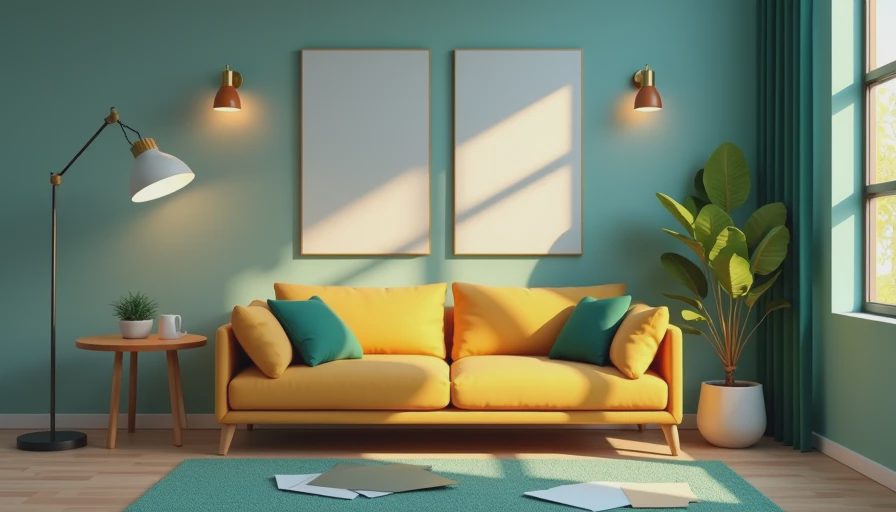
Put the lights where they do the most work
Placement is where a lot of good ideas fall apart. A sconce mounted too high throws light across the room and leaves the seat in shadow. Too low and it looks awkward, like somebody guessed and quit. For most living rooms, the center of the fixture lands around 60 to 66 inches from the floor, but furniture and ceiling height can change that fast. A tall room can handle a little more height. A room with low ceilings usually cannot.
If the fixture is for reading, place it close enough to the chair to be useful, but not so close that the light hits the sitter in the face. If it is flanking a fireplace, keep the pair even and let the mantel stay the visual center. If the room has a TV, avoid anything that points straight at the screen or throws glare onto the glass. I have had more than one homeowner blame the TV when the real problem was a shiny fixture washing out the picture.
This is also where wall lights for living room layouts can save you from adding more floor lamps later. Two correctly placed fixtures will usually do more for a room than four random lamps spread around like afterthoughts. Light the corners, light the seating, and keep the walkways clear. That is the whole game.
Wiring, switches, and what the job costs
If the wall is already open, hardwiring is the cleanest route. If the drywall is closed and painted, the electrician has to cut in boxes, fish cable, patch the wall, and hope the framing is not a mess. That is normal work, but it is not free. In San Antonio, a simple two-fixture hardwired job with a dimmer often lands somewhere around 700 to 1,800 dollars if the wall is finished. Add more if the panel is full, the studs are blocked wrong, or the run is long.
Plug-in sconces are cheaper up front, usually 40 to 180 dollars each for the fixture, plus a cord cover and maybe a better outlet location. They are fine in a rental or a room where you are not ready to open walls. They are not as clean as hardwired lighting, but they get the job done without turning the room into a patch-and-paint project.
The switch matters just as much as the fixture. Put wall lights on a dimmer if you can. Put them on a separate switch from the ceiling fan if the room has one. Nothing annoys people faster than turning on every light in the room just to grab a remote.
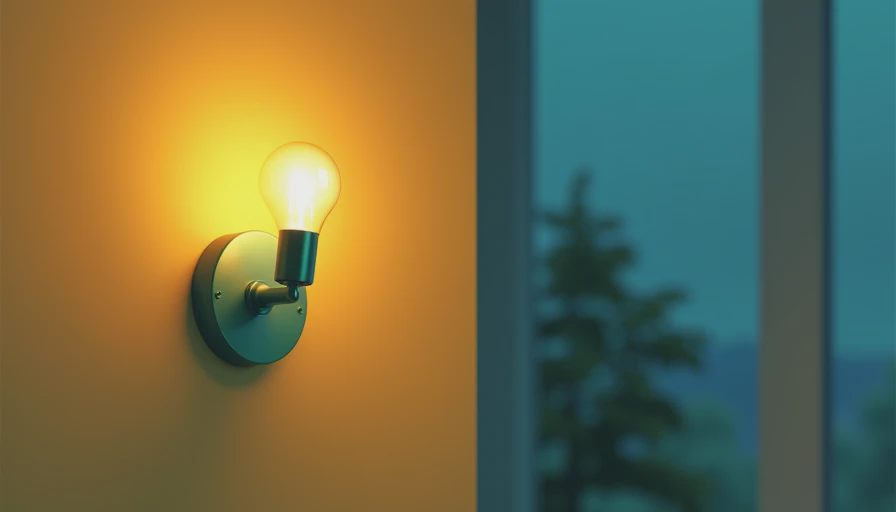
A straight buying checklist from the job site
Before you order anything, stand in the room at night and look at where the shadows fall. If the dark spot is beside the sofa, you need light there. If the dark spot is behind the chair, you need the fixture there instead. Do not buy lights first and hope the room will forgive you later. It will not.
Check the wall for studs, outlets, and anything hiding behind the drywall. A vent, a mirror, or a TV mount can ruin your plan fast. If the wall is already crowded, choose a smaller fixture or move the lighting to the other side of the room. Also think about bulb replacement. If you need a ladder and two people to change a bulb, that fixture is going to annoy somebody in six months.
The best wall lights for living room use are the ones that make the room easier to live in. They should cut glare, clear the floor, and hold up when the family actually uses the space. If your room needs more than a ceiling fan and one lamp, wall lights for living room work can do the heavy lifting without a full remodel. That is a smart place to spend the money.

No comments yet — be the first to share a thought.