A sleeper sofa is two pieces of furniture forced to share one frame, and that is where most buying mistakes begin. This sleeper sofa buying guide will help you check the parts that matter: the room opening, the frame, the mattress, the mechanism, and the way your family will actually use it. I have watched people spend $2,000 on a couch that looked fine in a showroom, then discover it would not clear the stair turn or open without hitting the coffee table.
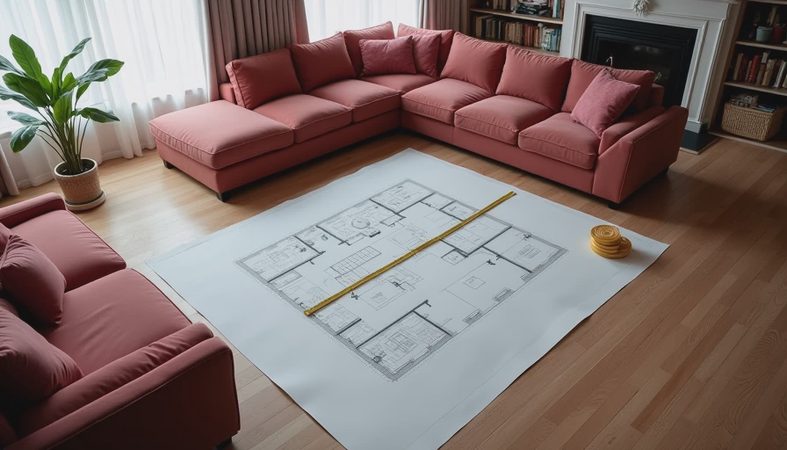
Start with the room, not the fabric. Measure the wall, the walking path, the doorway, the hallway, and any tight corner between the front door and its final position. Write down each measurement. A sofa that is 84 inches wide still needs clearance to rotate through a 32-inch doorway. For a pullout bed, allow at least 30 inches beyond the back of the sofa when open, plus a clear path to the bathroom or kitchen. If the room is small, a queen sleeper can make the entire space unusable once guests arrive.
Measure the route before you compare mattresses
The published sofa dimensions are only the beginning. Ask for the boxed dimensions, the unboxed depth, and the weight. Some retailers deliver in sections, while others bring one assembled piece that must survive every turn in your house. In a San Antonio ranch home, delivery is usually simple. In a two-story house with a narrow landing, it can become the most expensive part of the purchase.
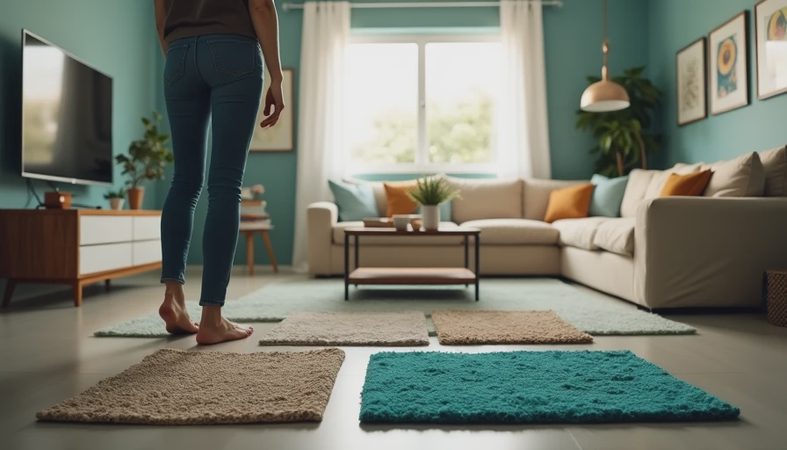
Use painter's tape on the floor to mark the sofa footprint and the opened bed. Include the arms, not just the mattress. Then place a dining chair inside the taped area to imitate the clearance guests need when walking around it. You want roughly 24 to 30 inches for a comfortable main walkway. Less than that turns every midnight trip into a shin injury.
Measure the ceiling fan, floor vents, and nearby doors too. A sleeper mechanism can block a supply vent or swing into a hinged door. If your home has a floor outlet, make sure the bed will not crush the plug or cord. These are boring details, but boring details are what keep furniture from becoming a return shipment.
Choose the mattress and mechanism carefully
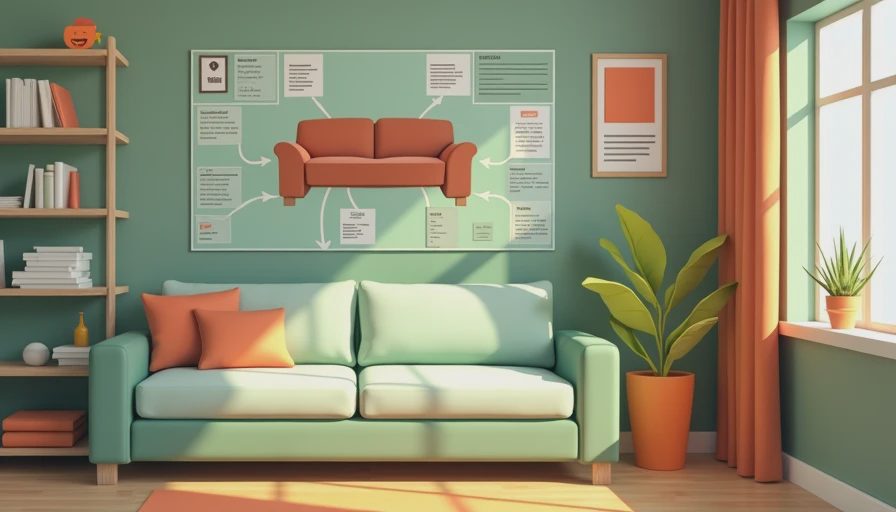
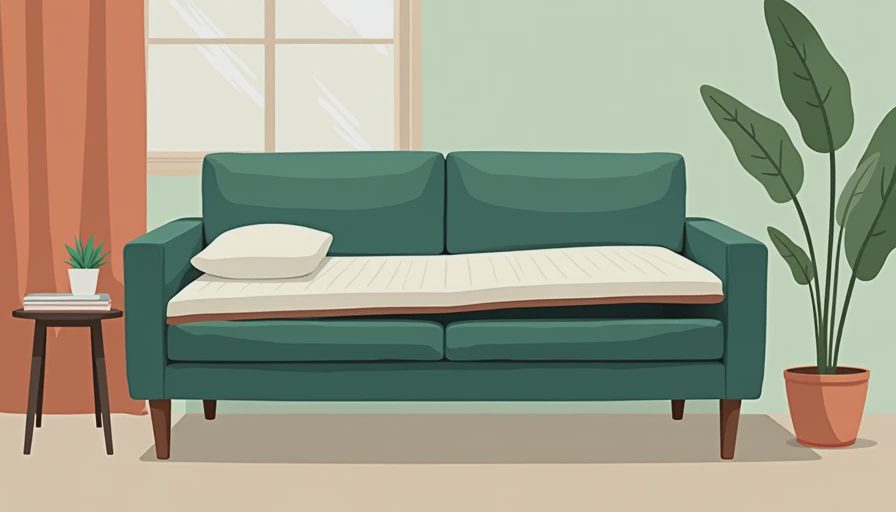
Traditional innerspring mattresses are often the lowest-priced option, commonly adding about $300 to $700 to a standard sofa price. They can work for occasional guests, but the coils may be noticeable and the sleep surface is usually thinner. A memory foam sleeper mattress generally feels better for a few nights at a time and often costs $500 to $1,200 more, depending on thickness and construction. Foam also weighs more, so confirm that the lift mechanism is easy enough for the person who will open it.
Do not judge the bed while standing in a showroom. Pull it out yourself. Sit on the edge. Lie down for at least five minutes. Check whether the center bar lands under your back or whether the mattress sags between supports. A sleeper sofa buying guide that skips this test is not worth much.
Look for a steel mechanism with smooth movement and a solid locking position. Lift the front of the bed slowly and listen. Grinding, sharp catches, or a frame that twists under light pressure are warnings. A decent mechanism should not require a second person every time it opens. If the salesperson will not let you operate it, walk away.
Inspect the frame, cushions, and fabric
The frame carries both the seated load and the sleeping load, so construction matters more than a trendy silhouette. Kiln-dried hardwood or a strong engineered wood frame can perform well when the joints are properly reinforced. Avoid a frame that flexes when you push against the arms. Ask how the rails are joined and whether replacement parts are available for the mechanism.
Sit in the sofa with both feet on the floor. Your knees should not be pushed sharply upward, and your lower back should not float several inches from the cushion. A seat depth around 21 to 24 inches works for many adults, but taller people may prefer more. The wrong depth cannot be fixed with decorative pillows.
For a busy house, choose a tightly woven performance fabric with a useful cleaning code. Microfiber can hide everyday marks, while some performance polyester fabrics handle spills better than delicate linen-look upholstery. The label is not magic. Test a fabric sample with water, a damp cloth, and a little pressure before ordering. Do not assume a removable cover means the entire cushion can go in your washing machine.
Match the sleeper to real household use
If the bed will open twice a year, an innerspring model may be a sensible way to control cost. If your parents stay for a week every summer, spend more on a thicker foam mattress and stronger support. A sleeper used every night is not a guest bed; it is a primary bed with a sofa attached, and most budget models are the wrong tool for that job.
Think about who will sleep there. A full-size sleeper is often 52 to 55 inches wide and works for one adult or two smaller guests. A queen is closer to 60 inches wide and gives couples more room, but it also demands more floor space. A twin chair sleeper can fit an office without swallowing it, though the narrow mattress is not comfortable for every adult.
A sleeper sofa buying guide should also address children and pets. Look for rounded exposed hardware, stable arms, and a mechanism that cannot be reached easily by small hands. Keep pets away from the underside when the bed is moving. One curious cat and a loose blanket can jam a mechanism faster than most warranties can fix it.
Set a useful budget, not a showroom fantasy
For a basic full sleeper, plan on roughly $900 to $1,500. Midrange queen models commonly fall between $1,500 and $3,000, while heavier frames, upgraded foam mattresses, and custom upholstery can push past $4,000. Delivery may add $100 to $300, and removal of your old sofa costs extra with many retailers. These figures are practical planning numbers, not a promise of a particular sale price.
This is where a sleeper sofa buying guide earns its keep: compare the complete purchase, not the tag on the floor. A $1,100 sofa with a $250 delivery fee, weak cushions, and no parts support may cost more over five years than a $1,900 model with better hardware. Ask about the warranty on the frame, mattress, upholstery, and mechanism separately. They may have different terms.
When comparing brands such as La-Z-Boy, American Leather, West Elm, or IKEA, focus on the actual model rather than the logo. La-Z-Boy offers broad customization, American Leather is known for engineered sleeper designs, West Elm emphasizes contemporary styling, and IKEA often competes on accessible pricing. None of those facts replaces sitting on the product and measuring your house.
A final inspection before you order
Use this short procedure in the store or showroom. First, measure the sofa and write the numbers on your phone. Second, open and close the bed three times without help. Third, lie on the mattress and find the bars, seams, and sagging spots. Fourth, inspect the underside, stitching, legs, and back panel. Fifth, ask how the item will enter your home and what happens if delivery cannot complete the job.
Then check the return policy in writing. Some furniture companies charge restocking or return freight, which can easily reach several hundred dollars. Confirm whether the mattress is covered after a trial period and whether a customized fabric makes the order final. Photograph the room measurements before ordering so nobody can claim the fit was obvious.
My practical recommendation is simple. Buy the best mechanism and mattress your budget allows, then choose a fabric that can survive your actual house. Skip the deep, oversized model if the bed will block the walkway. A sleeper sofa buying guide cannot make a bad floor plan good, but careful measurements and a five-minute lie-down can prevent a very expensive mistake. Get those steps right, and the sofa will earn its floor space instead of becoming another thing you need to replace.

No comments yet — be the first to share a thought.