A sofa is not a wall decoration. It is where people sit with wet towels, eat pizza, fall asleep, and drop into the cushions after work. This sofa buying guide starts with the parts that determine whether the couch still works five years from now, not whether it looks good under a showroom's perfect lighting. I have watched homeowners spend $3,000 on a sofa that was too deep for the room, too soft for their backs, and impossible to get through the front door. Measure first. Sit on it. Then worry about color.
Start With the Room, Not the Showroom
Before shopping, measure the living room's usable dimensions. Include the distance between walls, door swings, windows, floor vents, stairs, and the path people use to reach another room. A standard sofa is roughly 80 to 90 inches wide, but that number tells you very little by itself. A 90-inch sofa can work in a large room and completely choke a narrow 12-by-14-foot living room.
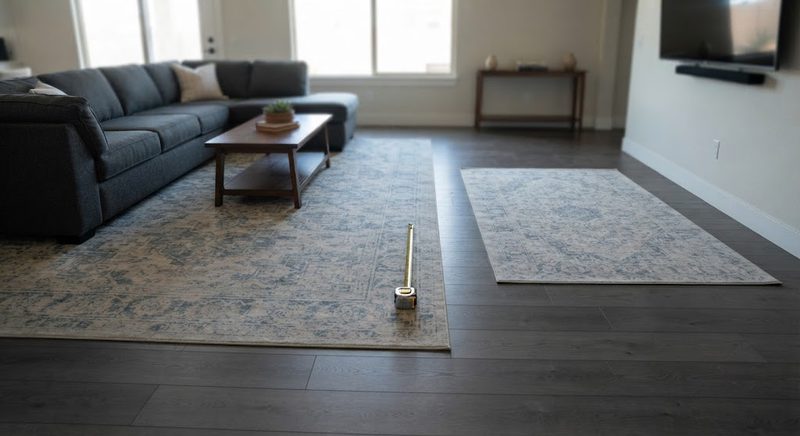
Use painter's tape to mark the sofa footprint on the floor. Leave about 30 to 36 inches for a main walking path. Keep the front of the sofa far enough from a coffee table that knees are not hitting it every time someone stands up. If the television is involved, do not push the sofa against the far wall just because the wall is empty. The viewing distance, glare, and door traffic matter more than filling every inch.
A sectional deserves extra suspicion. Its advertised width might fit the wall, while its chaise blocks the only route into the kitchen. This sofa buying guide rule is simple: tape the entire shape, including the chaise, before you place an order.

Look Inside the Frame and Cushions
The frame carries the load, so ask what it is made from. Kiln-dried hardwood, properly joined at the corners, is a reliable construction choice. Plywood frames can also perform well when the joints and support rails are solid. Thin particleboard in the main rails is where I start expecting trouble, especially on a sofa used by children or several adults every evening.
Lift one front corner slightly. If the whole frame twists or the opposite leg rises dramatically, the structure is not especially rigid. Sit down hard, shift sideways, and listen for cracking or squeaking. A little fabric movement is normal. A frame that sounds like a loose stair tread is not ready for a decade of service.
Cushion filling controls how the sofa feels and how often you will maintain it. High-resilience foam gives firmer support and usually keeps its shape better than cheap soft foam. Down or feather blends feel comfortable but need frequent fluffing, and they can flatten quickly under a favorite seat. A good compromise for many families is foam wrapped in a fiber layer. Look for removable cushion covers with strong zippers, not decorative covers that cannot be washed or replaced.
Do not confuse a hard first impression with quality. A sofa that feels wonderfully soft in a five-minute showroom test can develop a deep hollow where one person sits every night. The best sofa buying guide advice I can give is to choose support you can live with, not softness that wins a sales-floor contest.
Get the Depth and Height Right
Seat depth is where many purchases go wrong. A standard seat depth often falls around 21 to 24 inches, but deep sofas can reach 26 inches or more. That extra space sounds luxurious until a shorter adult has to sit sideways or stack pillows behind their back. Your feet should reach the floor while your lower back remains supported. If your knees are lifted, the seat is too deep for comfortable everyday use.
Seat height matters too. A seat around 18 to 20 inches high works for many adults, while a very low sofa can be difficult for anyone with stiff knees. Measure the height of your current dining chair or favorite recliner and compare it with the showroom model. The difference of two inches is obvious when you stand up ten times in an evening.
Arms also consume usable space. Wide rolled arms can add eight or ten inches to the outside width while giving you no extra sitting room. Track arms are usually more efficient in a small room. This sofa buying guide is not telling you to avoid wide arms; it is telling you to count them before calling a 78-inch sofa spacious.

Choose Fabric for the Actual Household
For a home with kids, pets, or frequent meals, performance fabric is usually worth the added cost. Look for tightly woven polyester or a durable polyester blend that can handle abrasion and cleaning. Microfiber is forgiving with many everyday spills, though it can show pressure marks. Leather is easy to wipe and can last for years, but quality varies sharply, and cheaper bonded materials can peel.
Light fabric is not automatically a bad choice, but it requires behavior your household may not have. White or pale chenille can look excellent on delivery day and look tired after a year of snacks and denim transfer. Dark fabric hides some dirt but can show lint and pet hair. Order swatches and hold them near the window, under warm lamps, and beside the flooring. Store lighting lies.
Ask for the cleaning code and care instructions before paying. A removable cover is useful only if the manufacturer allows washing it. Never assume a steam cleaner is safe for every upholstery material.
Set a Price That Matches the Workload
Below about $800, you can find a usable sofa, but inspect the frame, cushion support, and warranty carefully. In the $1,200 to $2,500 range, there are more choices with better upholstery and construction, especially from established furniture retailers. At $3,000 and above, you are often paying for larger dimensions, custom fabric, better cushions, or made-to-order construction. A higher price is not proof of a stronger frame.
Budget another $100 to $300 for delivery depending on stairs, distance, and whether old furniture must be removed. Custom upholstery can take several weeks or longer, so do not order it two days before guests arrive. This sofa buying guide approach protects the renovation budget: spend on the frame and cushions first, then fabric upgrades and decorative details.
Confirm Delivery Before You Place the Order
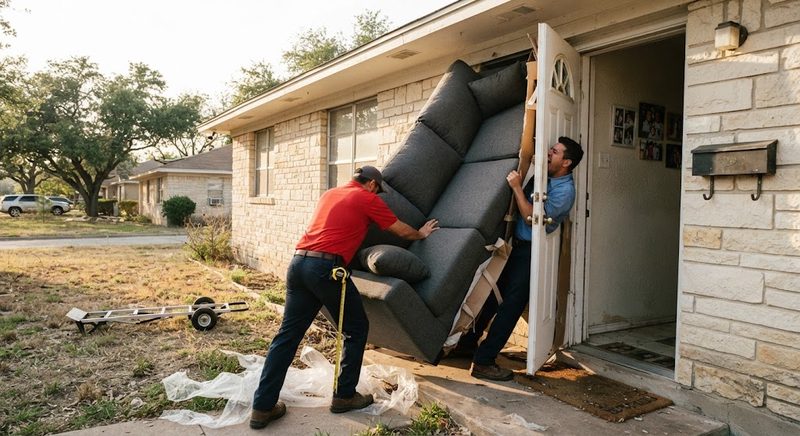
Measure every tight point from the curb to the room: gate openings, porch turns, entry doors, hallway corners, stairwell height, and elevator dimensions. Measure the sofa's packaged dimensions, not only its finished dimensions. A 90-inch sofa may arrive in a carton longer than the room's narrow hallway.
Ask whether the delivery crew carries furniture upstairs, removes packaging, and takes away the old sofa. Some companies charge extra for stairs or refuse difficult access. If the back or legs can be removed, confirm that in writing. I have seen a beautiful sectional sit in a garage because nobody checked the turn at the staircase.
The practical ending to this sofa buying guide is not complicated. Tape the footprint, test the support, inspect the frame, match the fabric to your household, and verify the delivery path. Do those five jobs before you fall for a showroom model, and your new sofa has a fair chance of being comfortable, serviceable, and still welcome in the room years from now.

No comments yet — be the first to share a thought.