If you are asking how high to mount tv, start with the sofa, not the wall. The right height depends on where your eyes land when you are actually sitting down, the screen size, and whether the television sits over a fireplace. I have repaired plenty of walls where somebody drilled first and measured later. The television ended up too high, the bracket holes were wrong, and the owner watched every movie with a stiff neck.
The practical target is simple: when you sit in your normal viewing position, your eyes should land near the middle of the screen. A small amount above center is fine. Ten or twelve inches above eye level is where comfort starts going downhill. The television should look like part of the room, not like it is trying to escape through the ceiling.
Measure From the Sofa, Not the Floor
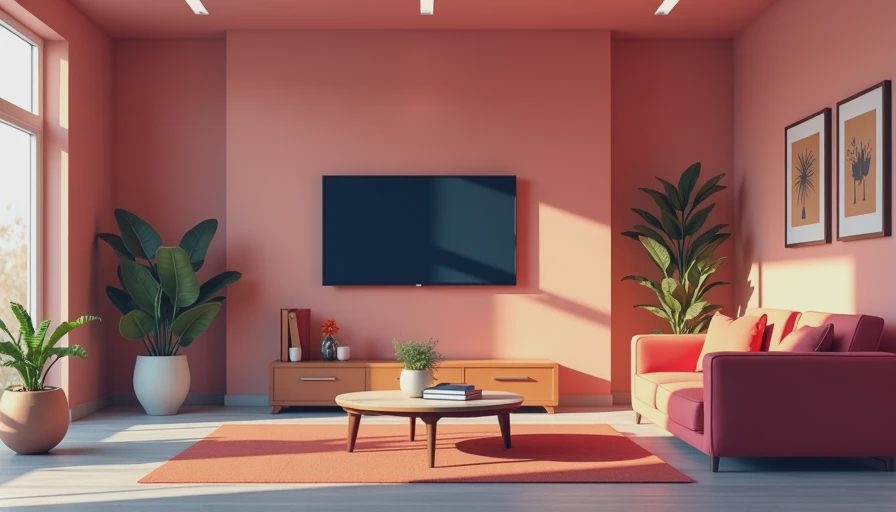
To figure out how high to mount tv, sit on the sofa with your back where it normally rests. Do not perch on the edge, because that changes your eye level. Measure from the floor to your eyes. Most adults seated on a standard sofa land around 40 to 44 inches, but deep sectionals and low modern sofas can put your eyes closer to 36 or 38 inches.
Next, measure the television itself. A 65-inch television is roughly 32 inches tall, while a 55-inch model is about 27 inches tall. Divide that height in half, then add the distance from the floor to your seated eye level. If your eye level is 42 inches and the screen is 32 inches tall, the screen center belongs at about 42 inches, placing the bottom edge around 26 inches from the floor.
That bottom measurement is more useful than copying a number from the internet. It accounts for your furniture and your room instead of somebody else's living room. Use painter's tape to mark the screen outline before you touch a drill.
A Good Height for Common TV Sizes
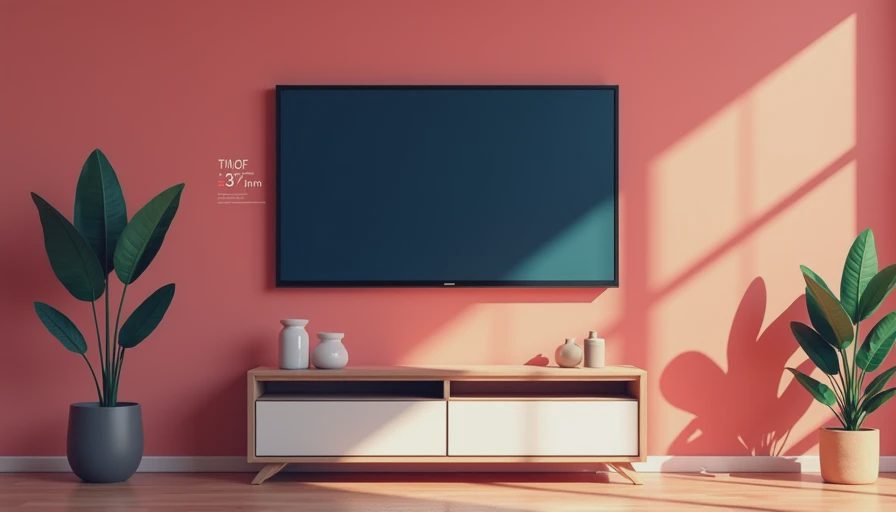
For a normal sofa and a flat wall, how high to mount tv usually works out lower than homeowners expect. A 55-inch television often looks right with its center between 40 and 44 inches from the floor. A 65-inch set commonly lands with the center around 42 to 46 inches. A 75-inch screen may have a bottom edge only 22 to 28 inches above the floor because the panel is so tall.
Those are starting points, not commandments. If your sofa is unusually low, subtract a few inches. If your chairs sit high, raise the set slightly. A television in a game room with recliners may need a different height from one in a formal sitting room. Recliners also change the viewing angle as they tilt back, so test the position with the footrest raised.
Put a cardboard rectangle on the wall if you are unsure. Stand or sit where people will watch, then look at it for ten minutes. This catches bad decisions faster than a tape measure does. If your eyes naturally drift upward, the mockup is too high.
The Fireplace Problem
Mounting a television over a fireplace is where many otherwise sensible layouts go bad. The mantel often forces the screen above the comfortable viewing zone, especially with a tall stone surround. If the mantel is 54 inches from the floor and the television is 32 inches tall, the screen center may end up 70 inches high. That is not a minor adjustment; it is a different viewing position.
When someone asks how high to mount tv above a fireplace, I first ask whether the television has to go there. A side wall is usually better. Another option is a low media console on a separate wall, even if that means rearranging the room. A pull-down mount can help with a moderately high installation, but it does not fix heat, glare, or an awkward mantel that blocks the bottom of the screen.
Do not place electronics where fireplace heat can damage them. Check the fireplace manufacturer's clearance requirements, not just the empty space on the wall. Gas, wood-burning, and electric units have different installation rules. A pretty arrangement is not worth shortening the life of a $1,500 television.
Find the Studs Before You Buy the Bracket
A television bracket needs solid attachment. On a typical drywall wall, that means locating studs and driving the lag screws into framing, not just using plastic anchors. Studs are usually 16 inches on center, but older homes and remodeled walls can break that pattern. Use a stud finder, then confirm by tapping, measuring from a corner, or making a tiny test hole in an area the television will cover.
Before deciding how high to mount tv, hold the bracket against the wall and check where its holes land. The mounting holes on the television are not always centered vertically. Some sets have the attachment pattern close to the bottom, which changes the bracket position and the final screen height.
Use a level, but do not trust the ceiling, trim, or fireplace as a reference. Houses settle, and trim can be crooked. Mark the bracket holes, check them twice, and identify electrical wires before drilling. If the wall has plumbing or wiring near the proposed location, move the bracket or open the wall safely rather than gambling with a drill.
Plan the Cables Before the Screen Goes Up
A wall-mounted television needs more than a bracket. Plan power, HDMI cables, a streaming device, soundbar wiring, and access to the outlet. Do not run a standard extension cord inside the wall. Use an approved in-wall power kit or have an electrician install a recessed outlet at the correct height.
The outlet should sit behind the television or in a nearby accessible location, depending on the mount. Full-motion brackets need extra cable slack because the screen moves forward and sideways. A fixed mount can use shorter connections, but leave enough room to unplug equipment without removing the television.
This is also the moment to decide whether a soundbar will sit below the screen. Leave space for it without pushing the television too high. A common mistake is installing the television first, then discovering that the soundbar blocks the lower edge or forces the whole arrangement upward.
Check the Viewing Angle and Finish the Job
Once the bracket is mounted, hang the television and sit in every seat that matters. Check the main sofa, the reading chair, and the end seat where somebody always watches from an angle. If the picture looks washed out, glare may be the real problem. Windows facing the screen can be more annoying than a height that is two inches off.
For most rooms, how high to mount tv comes down to keeping the screen center close to seated eye level, securing the bracket to framing, and solving cables before the wall is closed. If the screen is already mounted too high, do not rationalize it because the holes are finished. Moving it six or eight inches can make daily viewing noticeably easier.
The final test is not a photograph of the wall. Sit down after dinner, watch a full episode, and notice your neck and shoulders. If you are tilting your chin upward, the television is too high. Measure once more, move it if necessary, and patch the old holes before they become part of the room forever.
No comments yet — be the first to share a thought.